If your dentist has told you that you need a crown, you’re about to face a choice most people don’t expect: porcelain, zirconia, e.max, gold, or something else entirely. The good news is that modern crowns are reliable. A systematic review of 67 clinical studies, covering more than 14,000 crowns on natural teeth, estimated that metal-ceramic crowns survive at about 95% after five years. The same review found that most all-ceramic crowns performed similarly, on both front and back teeth.
But crowns don’t all fail the same way. Some ceramic types had lower survival rates, and zirconia crowns with a porcelain veneer layer were more likely to chip or loosen than metal-ceramic ones. So the material you choose doesn’t just change how your crown looks. It changes how it’s most likely to wear out.
That’s why this guide to the types of crowns for teeth goes beyond a simple list. We compare every major material, show which works best for front and back teeth, and answer the questions patients ask most: do crowns hurt, how long do they last, and do you need one after a root canal. By the end, you’ll know exactly what to ask your dentist.
What Is a Dental Crown?
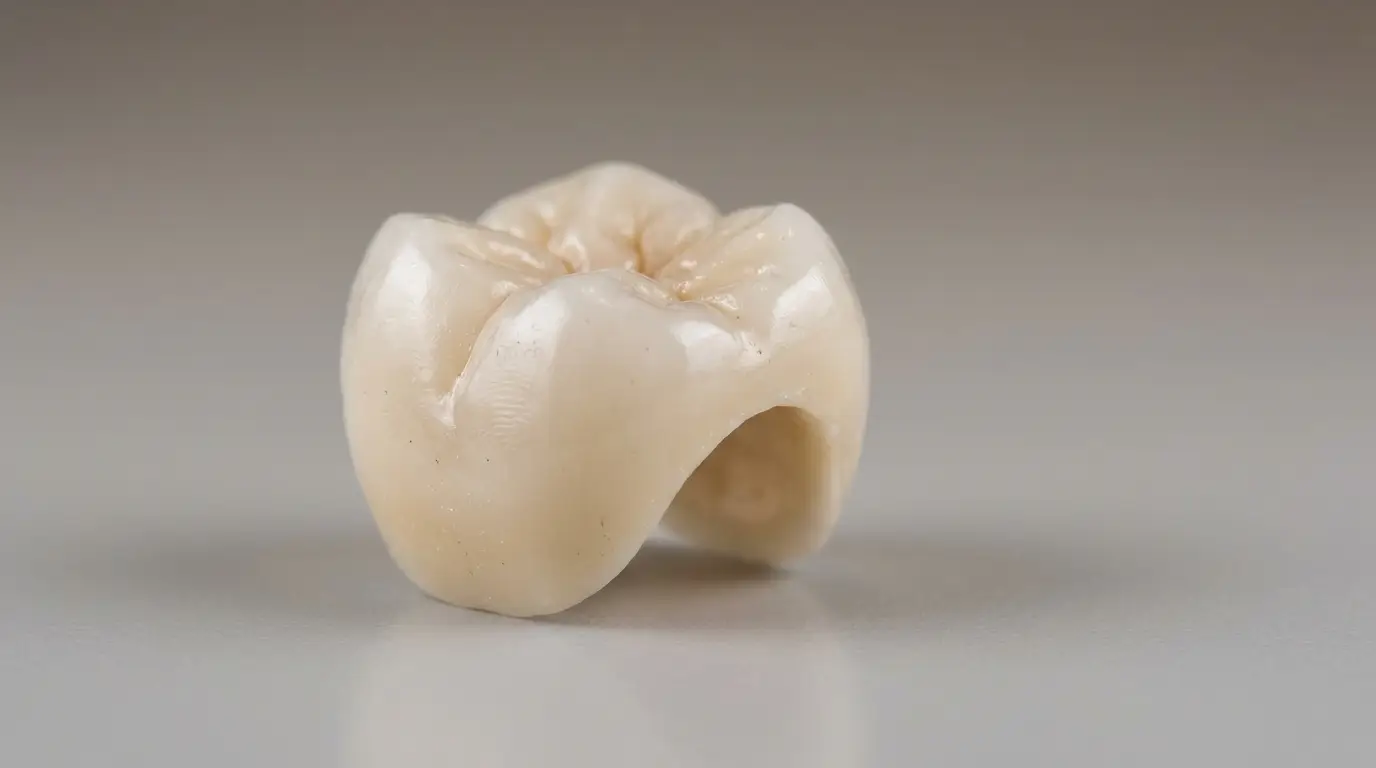
A dental crown is a custom-made, tooth-shaped cap that fits over the entire visible part of a tooth, from the gumline up. Think of it as a protective shell: it restores the tooth’s shape and size, adds strength, and improves how the tooth looks.
Dentists usually recommend a crown when a tooth is too damaged for a filling to hold. That includes large cavities, cracked or worn teeth, and teeth weakened by a root canal. Crowns are also used to cover dental implants and to anchor bridges.
A filling repairs a small area, an onlay covers part of the chewing surface, and a veneer covers only the front. A crown covers the whole tooth, which is why it’s chosen when real support is needed.
Types of Dental Crowns
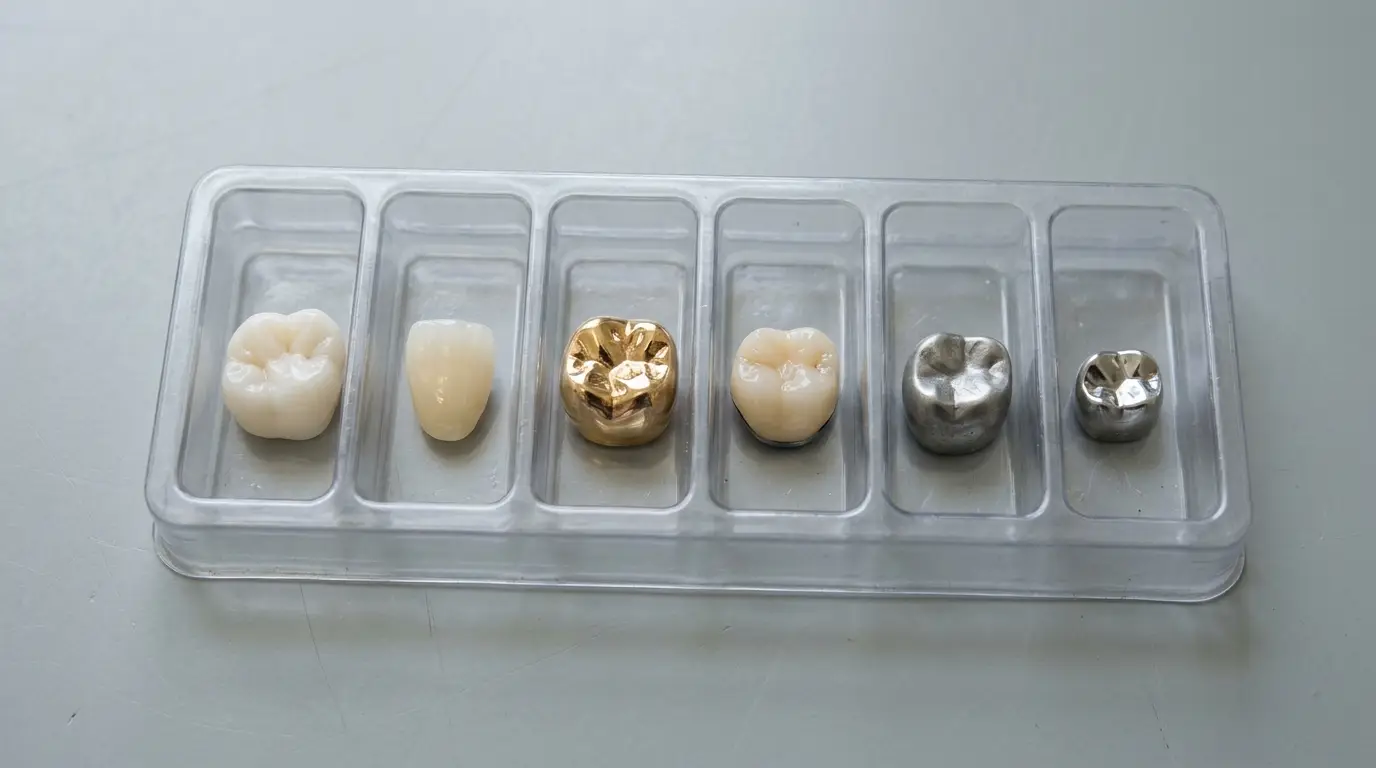
Crowns differ in the material they’re made from and in how they’re made. The material affects strength, appearance and how the crown is likely to wear over time, so it’s worth understanding each option before you sit in the dentist’s chair.
Porcelain-Fused-to-Metal (PFM) Crowns
A PFM crown has a metal base covered with a layer of tooth-colored porcelain. It combines the strength of metal with a reasonably natural look, and it has been used for decades, so its track record is long. The trade-off is that a thin dark line can show near the gumline, especially if your gums recede, and the porcelain layer can chip over time. PFM crowns suit back teeth where strength matters.
All-Ceramic / All-Porcelain Crowns
These crowns contain no metal, which gives them the most natural color and translucency. They’re a good choice for visible teeth and for people with metal allergies. Some all-ceramic materials are less strong than metal or zirconia, so they’re generally better suited to the front of the mouth than to heavy-chewing molars.
Zirconia Crowns
Zirconia is a very strong ceramic that has become one of the most popular crown materials. It handles heavy bite forces well, contains no metal, and is a common choice for molars and for patients who grind their teeth. It comes in two forms: solid (monolithic) zirconia, and zirconia layered with porcelain for a more lifelike finish. As the research in the introduction suggests, the layered porcelain is the part most likely to chip, which is one reason many dentists now favor solid zirconia for back teeth.
Lithium Disilicate (e.max) Crowns
Lithium disilicate, usually sold under the name e.max, is a glass-ceramic known for its natural translucency. It bonds well to the tooth and is among the best-looking options available, which makes it a favorite for front teeth and premolars. It’s less suited to very heavy chewing forces, so dentists tend not to choose it for grinders or for the back molars.
Gold and Metal Alloy Crowns
Gold crowns are made from a blend of gold and other metals. They’re extremely durable, gentle on the opposing teeth, and rarely fracture, and they usually need less of your natural tooth to be removed. The obvious downside is the metallic color, which is why they’re typically reserved for back molars, or for patients who care more about longevity than looks.
Base Metal Crowns
Base metal crowns are made from non-precious alloys, such as nickel or chromium blends. They’re strong and resistant to corrosion, but they have a metallic color and aren’t suitable for people with nickel allergies. Like gold, they’re mostly used on hidden molars where strength is the priority.
Resin / Composite Crowns
Resin crowns are made from tooth-colored composite material. They look acceptable at first, but they wear down faster and fracture more easily than other options. For that reason, they’re usually used as temporary or short-term solutions rather than as long-term restorations.
Stainless Steel Crowns
Stainless steel crowns are prefabricated metal caps. They’re quick to place, durable, and not cosmetic, so they’re most often used on children’s baby teeth. In adults they’re mainly a temporary measure.
Onlays and ¾ Crowns
Onlays and ¾ crowns cover only part of the tooth instead of the whole thing. Because they remove less natural tooth structure, they’re a good fit for teeth with moderate damage that don’t need full coverage. Your dentist will tell you whether enough healthy tooth remains for a partial option.
Temporary vs. Permanent Crowns
A temporary crown is a short-term cover, usually made of acrylic or resin, that protects the prepared tooth while your permanent crown is being made. It’s designed to be removed easily, so it’s more fragile and meant to be worn for only a few weeks. A permanent crown is made from one of the materials above and cemented or bonded in place for the long term.
Traditional vs. Same-Day vs. 3D-Printed Crowns
How a crown is made can matter as much as what it’s made from.
- Traditional crowns are made in a dental lab and usually need two visits, with a temporary crown in between.
- Same-day crowns are designed and milled in the clinic from a digital scan, so you leave with your final crown in a single visit.
- 3D-printed crowns are an emerging option. Ask your dentist which material is used and how long it has been tested in practice before choosing it.
How Long Do Dental Crowns Last?
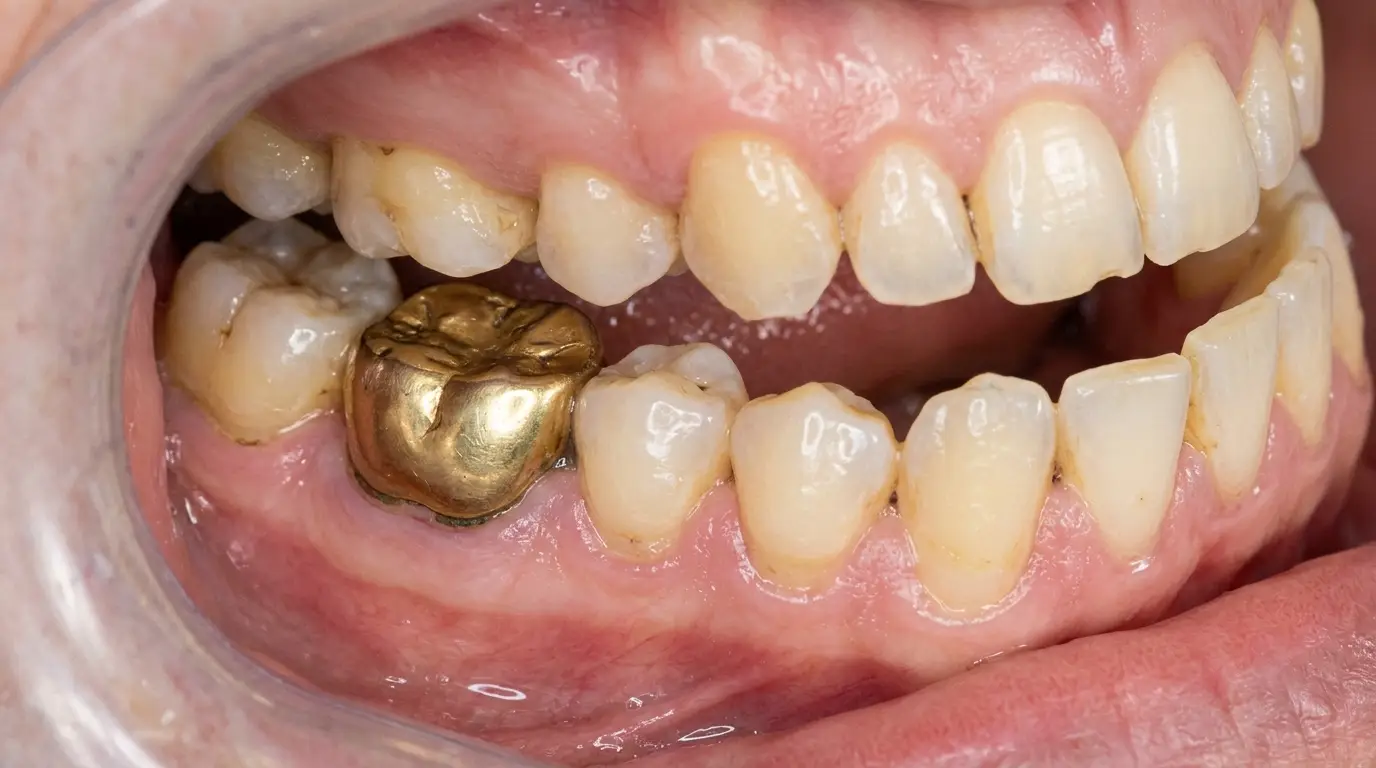
Most dental crowns last somewhere between 10 and 15 years, and many last longer with good care. Where the crown sits makes a difference. Front-tooth crowns face far less chewing force, so they can last a very long time, though people often replace them earlier for cosmetic reasons such as gum recession or a color mismatch. Back-tooth crowns take heavy chewing pressure every day, so wear, chipping and cracks are the main risks, and their lifespan depends more on your bite and habits. Research backs up the short-term picture: the review mentioned in the introduction found that about 95% of metal-ceramic crowns survived five years. Beyond that, the material, your bite and how well you look after the crown decide the rest.
Can a Crown Last a Lifetime?
It’s possible, but it isn’t something to count on. Some crown materials are extremely durable, and with excellent care a crown can last decades. The weak point is usually the natural tooth underneath, which can still decay at the crown’s edge. Everyday wear also adds up. The most realistic way to think about it is that a crown is a long-term restoration, not a permanent one.
What Shortens a Crown’s Life
Certain habits wear crowns out faster than anything else:
- Grinding or clenching your teeth, especially at night
- Chewing ice, hard candy or pen caps
- Using your teeth to open packages or bite nails
- Skipping brushing and flossing, which leads to decay around the crown’s edge
- Missing regular dental checkups, so small problems go unnoticed
How to Make Your Crown Last Longer
A few simple habits make a real difference:
- Wear a night guard if you grind your teeth
- Brush twice a day and floss daily, paying extra attention to the gumline around the crown
- Use a water flosser if flossing around the crown is difficult
- Avoid very hard or sticky foods on the crowned tooth
- See your dentist regularly so X-rays can catch decay under the crown early
Do Dental Crowns Hurt?
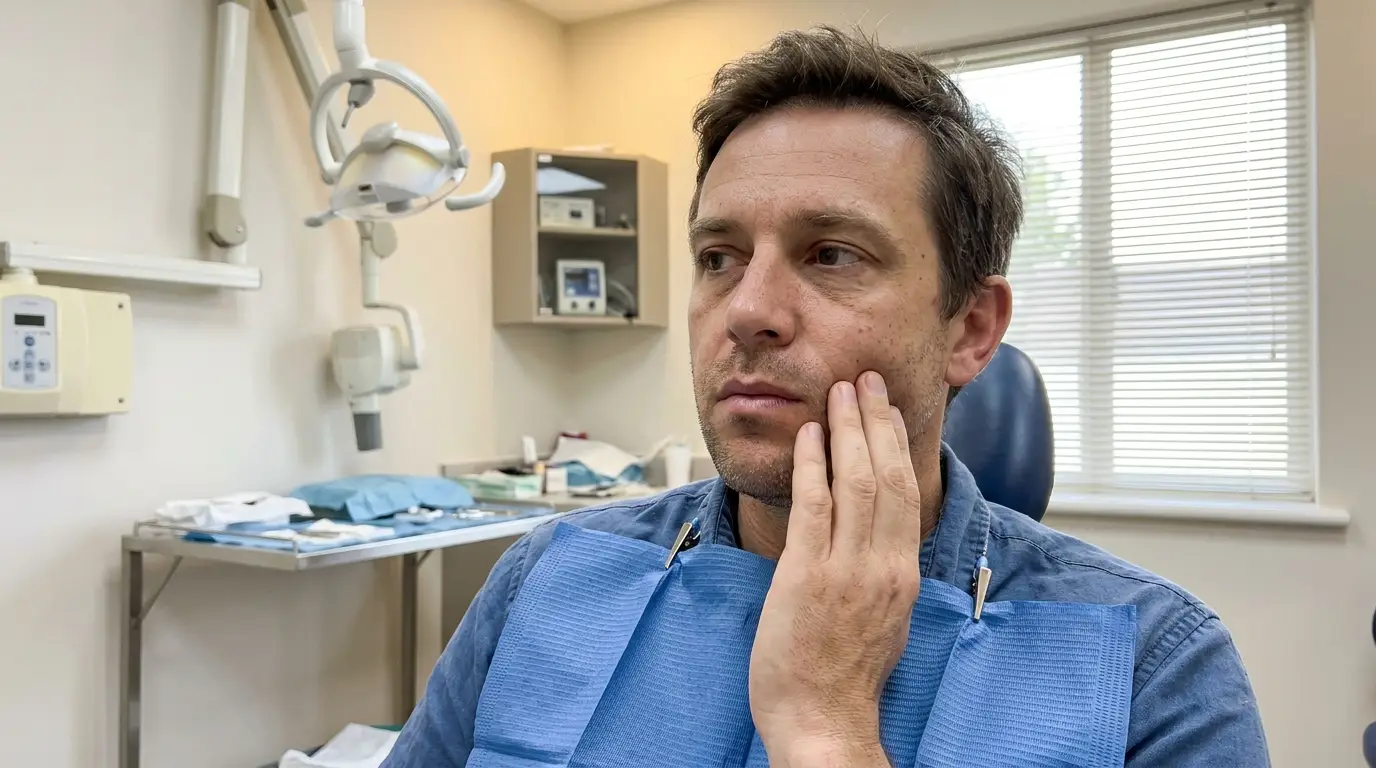
Getting a crown is not usually painful. The tooth is numbed before any work begins, and most people describe the experience as pressure or vibration rather than pain. Some mild sensitivity afterward is normal, but pain that is sharp, lasting or getting worse is not, and it’s worth having checked.
Pain During the Procedure
Your dentist numbs the tooth and the surrounding gum with a local anesthetic before reshaping the tooth, so you shouldn’t feel pain while the work is done. You may feel pressure, vibration or the movement of instruments. If you feel any sharp sensation, tell your dentist straight away, and they can add more anesthetic.
Pain After the Procedure
Once the numbness wears off, it’s common to have some tenderness in the gum and mild sensitivity to hot and cold for a few days. This usually settles on its own as the tooth and gum adjust. Eating soft foods, chewing on the other side at first, and Ask your dentist or pharmacist which pain reliever is safe for you. If your tooth was already inflamed or had a root canal, a little extra soreness is not unusual.
When to Call Your Dentist
Contact your dentist if you notice any of these:
- Pain when you bite down, which can mean the crown sits too high
- Throbbing or lingering pain that doesn’t ease after a few days
- Swelling, a bad taste, or a pimple-like bump on the gum
- A crown that feels loose or moves
- Sensitivity that gets worse instead of better
A crown that sits too high is one of the most common causes of bite pain, and it’s usually a quick adjustment to fix.
Can a Crown Be Replaced?
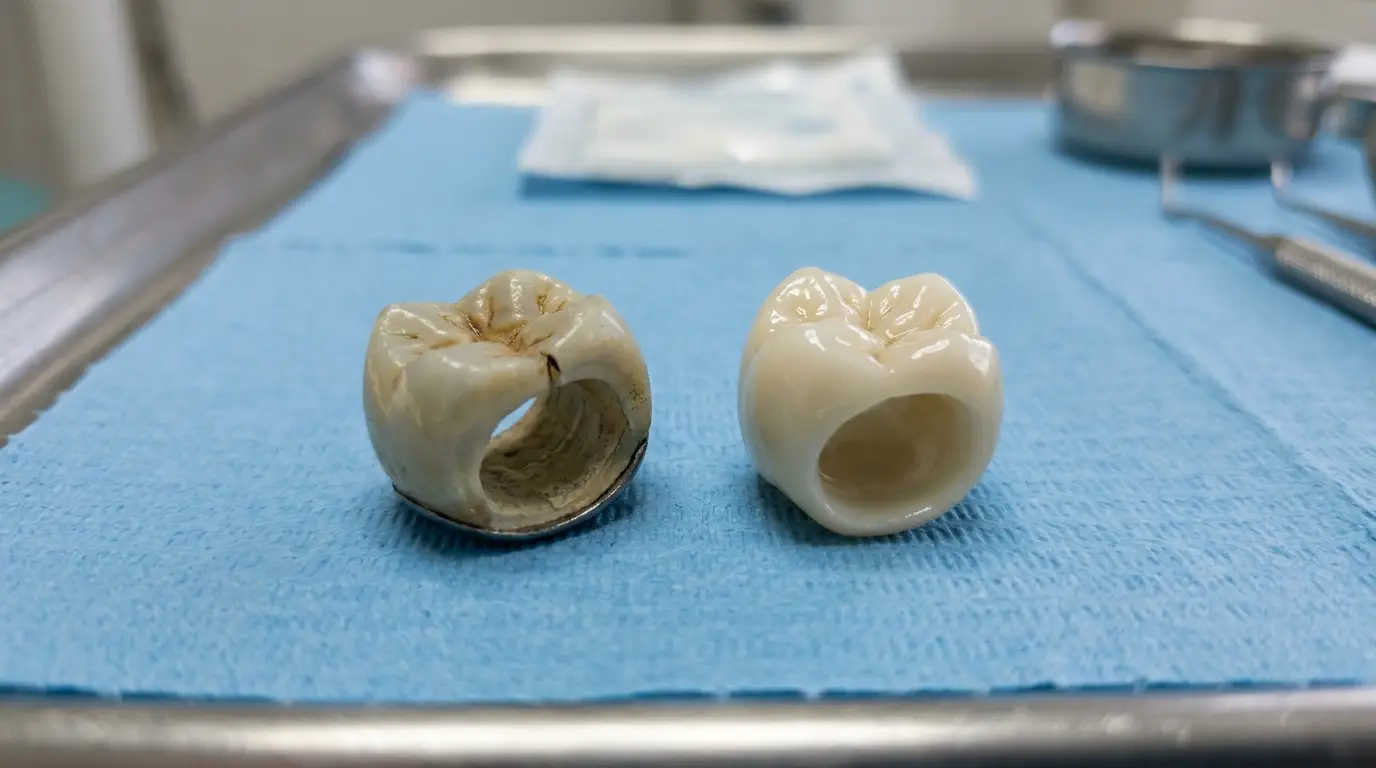
Yes, a crown can be replaced, and it’s a routine procedure. Crowns are not permanent, so replacement is a normal part of caring for a crowned tooth over the long term. The old crown is removed, the tooth underneath is checked, and a new crown is made to fit it.
When Replacement Is Needed
Your dentist may recommend a new crown if you have:
- Chips, cracks or heavy wear: the surface is damaged or worn thin, especially from grinding
- Decay underneath or around the edge: the natural tooth can still get cavities where it meets the crown
- A loose or poorly fitting crown: gaps let bacteria in and can cause sensitivity
- Gum recession: the crown’s edge or the metal beneath it becomes visible
- Cosmetic reasons: the shade no longer matches your other teeth, which is common with front crowns
Replacing a crown early, before decay spreads, helps protect the tooth underneath.
How Crown Replacement Works
The process is similar to getting your first crown, with a few extra steps at the start:
- Exam and X-rays: your dentist checks the crown, the tooth and the surrounding bone for hidden problems.
- Removal of the old crown: it is usually cut or loosened off, and it generally can’t be reused.
- Tooth assessment: if decay or damage is found, it is treated first, and in some cases the tooth needs a build-up to support the new crown.
- New impressions or a digital scan: these are used to make the replacement.
- Temporary crown: this protects the tooth while the final crown is made, unless it’s made the same day.
- Fitting and cementing: the new crown is checked for fit, bite and shade, then secured.
If the tooth underneath is too damaged to support a new crown, your dentist will discuss other options, such as an implant.
Can a Crown Be Removed and Reused?
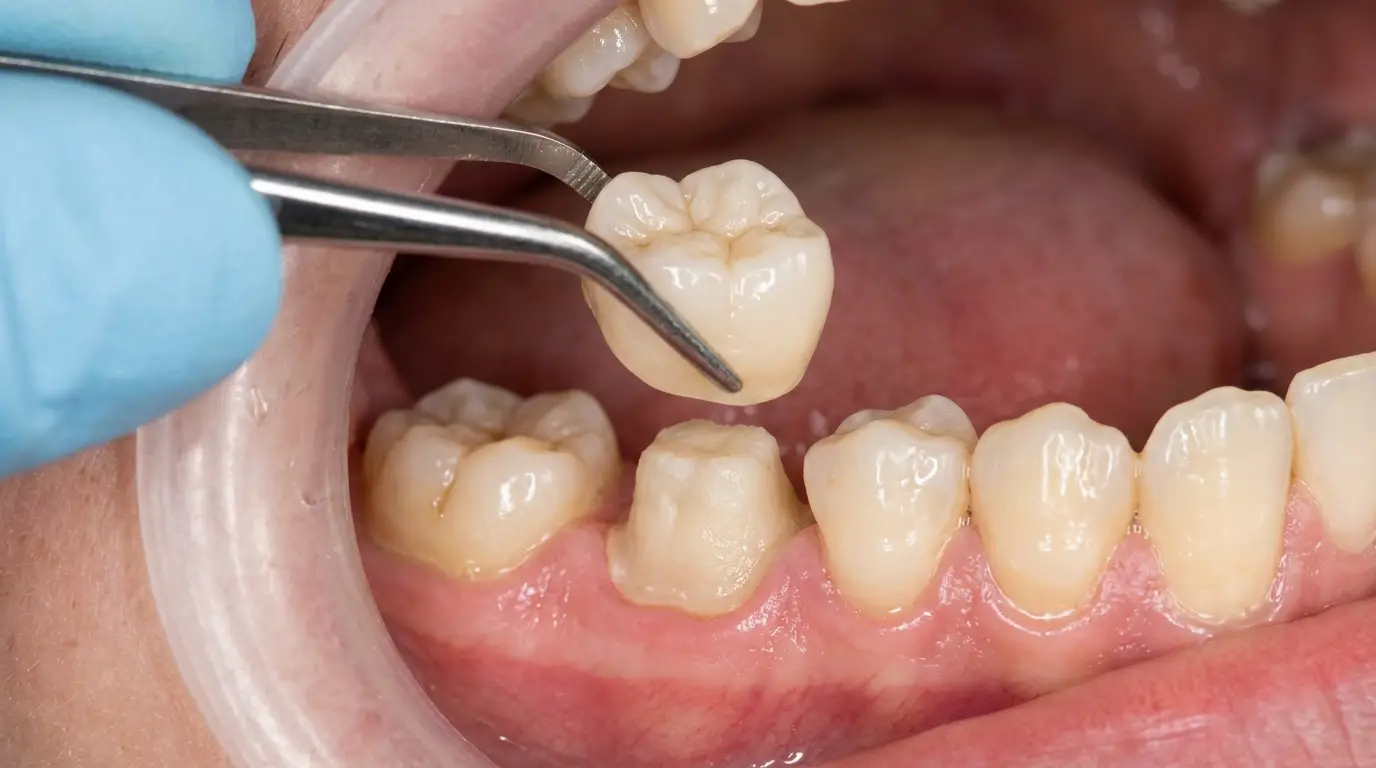
Sometimes, but it’s usually not the best option. A crown that has simply come loose can often be put back, provided the crown is undamaged and the tooth underneath is healthy. A crown that was deliberately removed by a dentist, however, rarely survives the process intact.
When Re-Cementing Is Possible
Your dentist may be able to cement the same crown back on if:
- The crown came off in one piece, with no cracks or chips
- It still fits the tooth accurately
- The tooth underneath is free of decay and hasn’t fractured
- The cause of the failure is clear, such as old cement wearing out
In this case, your dentist cleans the crown and the tooth, checks the fit, and bonds it back on. It’s usually a quick appointment.
Why Reusing a Crown Often Fails
Even when a crown looks fine, there are good reasons dentists often advise against reusing it:
- Removal damages it: a firmly cemented crown is typically cut or broken off, which leaves it unusable.
- Hidden decay: a crown often falls off because decay has weakened the tooth underneath, and putting the crown back would trap that decay.
- The fit has changed: the tooth can wear, shift or lose structure over time, so the old crown no longer seals properly.
- Repeat failure: a crown that came off once is more likely to loosen again, and gaps let bacteria in.
For these reasons, a new crown is often the safer long-term choice. Temporary crowns are the exception, since they are made to be removed and replaced easily.
What to Do If Your Crown Falls Off
- Keep the crown in a safe place, and don’t throw it away.
- Call your dentist as soon as you can, since the exposed tooth is vulnerable to damage and infection.
- Avoid chewing on that side, and keep the area clean by brushing gently.
- Manage sensitivity with over-the-counter pain relief as directed on the label, and avoid very hot or cold foods.
Crown Care and Maintenance
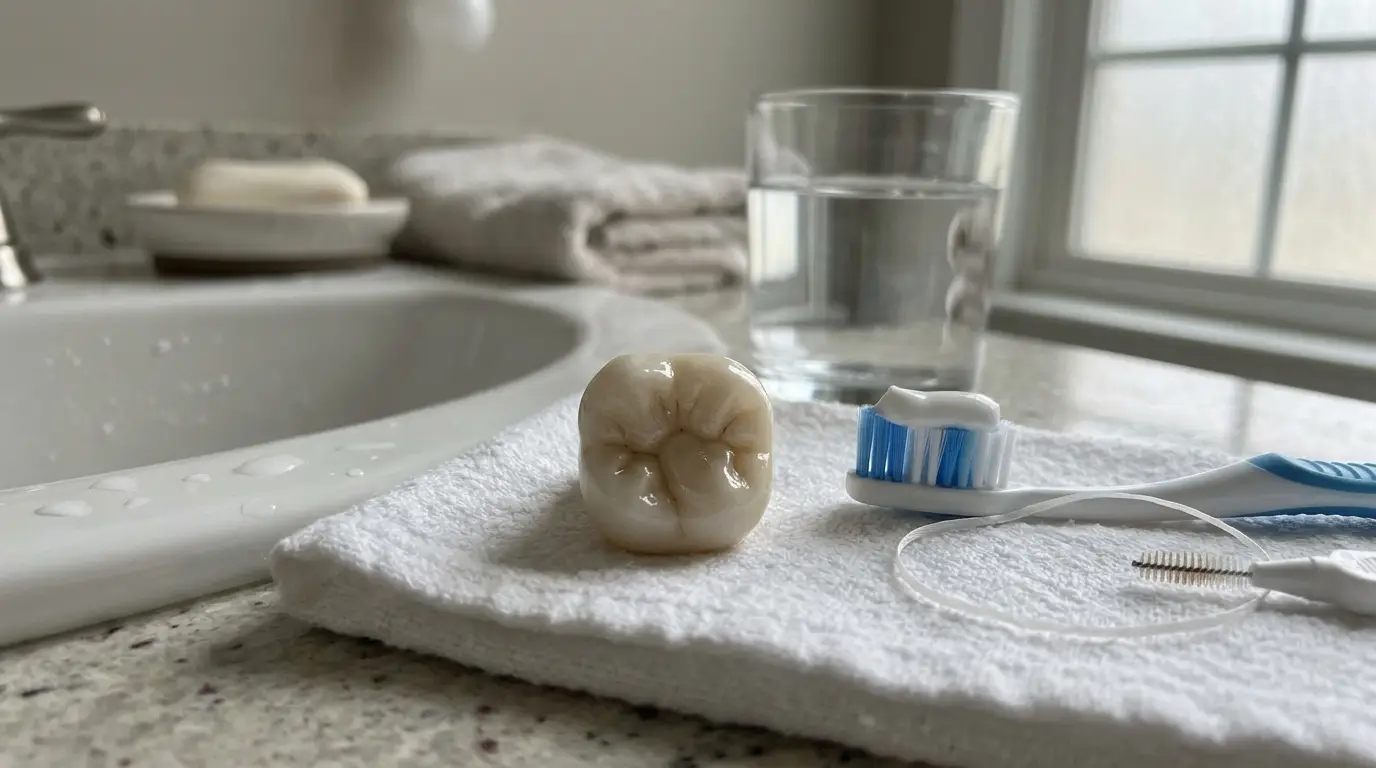
A crown needs the same daily care as your natural teeth, with a little extra attention to the edges. The crown itself can’t decay, but the tooth underneath can, and most crown problems start at the gumline where the two meet.
Brush twice a day with a soft-bristled toothbrush and fluoride toothpaste, angling the bristles gently toward the gumline around the crown. Avoid harsh abrasive or “whitening” pastes, since they can dull the surface of some crown materials over time. When you floss, slide the floss out sideways instead of pulling it straight up, which can loosen a crown that is not firmly seated. If tight spaces make flossing awkward, interdental brushes are a good alternative.
Food habits matter too. Very sticky foods such as caramel or toffee can tug at a crown, and hard foods like ice, hard candy or unpopped popcorn kernels can chip or crack it. You don’t need to avoid these completely forever, but it’s wise to be careful, especially in the first weeks after a new crown is placed.
Regular checkups are the other half of maintenance. Your dentist can check the crown’s fit and bite, clean areas you can’t reach at home, and use X-rays to spot decay under the crown before you feel anything.
Contact your dentist if you notice any of these signs:
- A rough edge, chip or visible crack on the crown
- A gap or dark line at the gumline
- Sensitivity or pain that is new or getting worse
- Gum redness, swelling or bleeding around the crown
- A crown that feels loose or changes how your teeth meet
Crown Alternatives
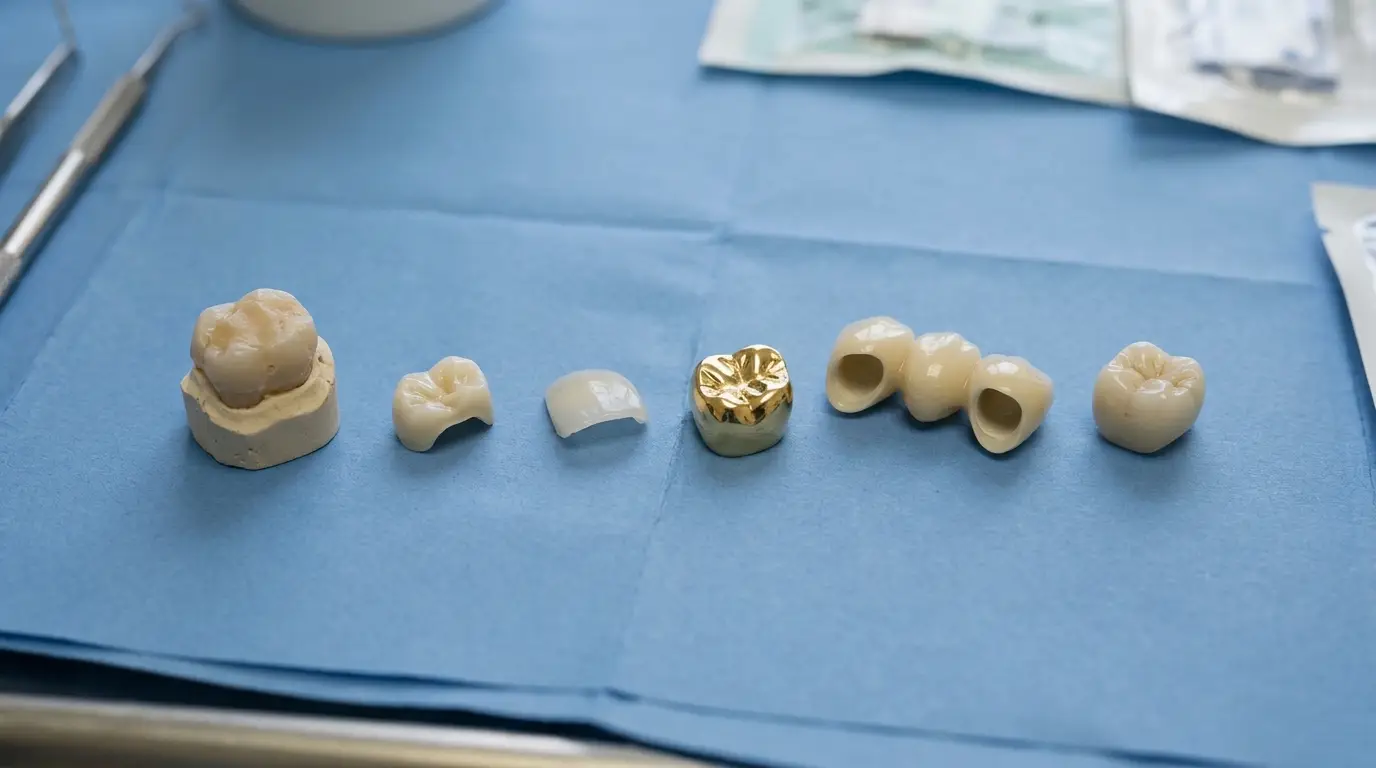
A crown isn’t always the only answer. Depending on how much healthy tooth you have left, your dentist may suggest a less extensive option, or a different approach if the tooth can’t be saved. The right choice comes down to how damaged the tooth is, where it sits, and what you want from the result.
- Fillings are the simplest option for small to moderate cavities. They’re quick and preserve the most natural tooth, but a large filling can leave the remaining tooth weak, which is when a crown becomes the better choice.
- Inlays and onlays sit between a filling and a crown. They’re made outside the mouth and bonded onto the tooth, covering the damaged area while keeping more healthy structure than a full crown would. They suit teeth with moderate damage and strong walls.
- Veneers are thin shells that cover only the front of a tooth. They work well for cosmetic issues such as discoloration, minor chips or small gaps, but they don’t give the structural support a damaged tooth needs.
- Dental bonding uses tooth-colored resin shaped directly onto the tooth. It’s a conservative fix for small chips or cosmetic touch-ups, though it is less durable than a crown.
- Dental implants replace the tooth entirely when it is too damaged to save. A crown is then placed on top of the implant, so the two are often part of the same treatment rather than competing options.
- Dental bridges fill the gap left by a missing tooth by anchoring an artificial tooth to the neighboring teeth, which are usually crowned to hold it.
A crown is usually the better choice when a tooth is cracked, heavily decayed, has had a root canal, or is too weak for a filling to hold. If you’re unsure which option fits, ask your dentist how much healthy tooth remains and what each choice would mean for the tooth over time.
How to Choose the Right Crown
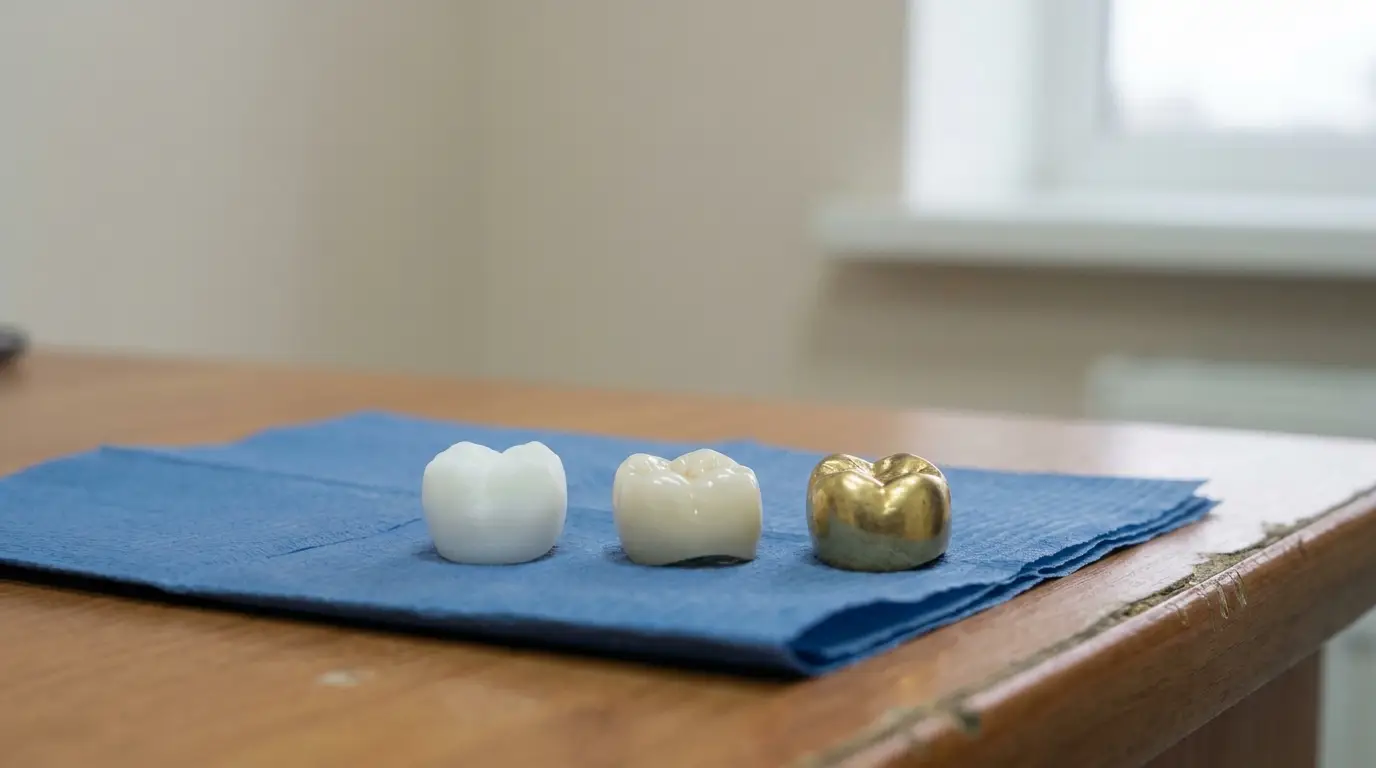
There is no single best crown for everyone. The right one depends on the tooth, your bite, your health and what matters most to you. Your dentist makes the final call based on the condition of your tooth, but going into the appointment with clear priorities makes the conversation much easier.
Decision Checklist
Work through these questions before your appointment:
- Where is the tooth? Front teeth favor appearance, while back teeth favor strength.
- Do you grind or clench your teeth? If so, tell your dentist, since it can rule out more fragile materials.
- Do you have any metal allergies? This can limit which materials are safe for you.
- How important is a natural look? If the tooth shows when you smile, matching your neighboring teeth matters more.
- How long do you want it to last? Some materials are chosen for durability, others for looks.
- How much healthy tooth is left? This affects which options are even possible.
- What is your budget, and what does your insurance cover? Ask for the options in your range before deciding.
Questions to Ask Your Dentist
Bring these to your consultation:
- Which material do you recommend for this tooth, and why?
- How much of my natural tooth will need to be removed?
- Is a crown really necessary, or is there a more conservative option?
- How long should this crown last in my case?
- Will the crown be made in your clinic or sent to an outside lab?
- Can I get it done in one visit, or will I need two?
- What happens if it chips, loosens or falls off, and does it come with a warranty?
- What is the full price, including any extra treatment such as a build-up?
Writing the answers down helps if you want to compare options or get a second opinion.
Frequently Asked Questions
What is a crown?
A dental crown is a custom-made, tooth-shaped cap that fits over the entire visible part of a tooth. It restores the tooth’s shape, size and strength, protects it from further damage, and improves its appearance. Dentists use crowns on cracked, worn, heavily decayed or root-canal-treated teeth.
Can a crown be replaced?
Yes. Crowns are not permanent, and replacing one is a routine procedure. Dentists recommend it when a crown is chipped, worn, loose or has decay underneath, or when it no longer matches your other teeth. The old crown is removed, the tooth is checked, and a new crown is made to fit.
Do dental crowns hurt?
Not during the procedure, because the tooth and gum are numbed first. You may feel pressure or vibration, but not pain. Mild sensitivity to hot and cold and some gum tenderness for a few days afterward is normal. Pain when biting or lingering throbbing should be checked by your dentist.
Can a crown be removed and reused?
Sometimes. A crown that came loose intact, still fits well and sits on a healthy tooth can often be re-cemented. But crowns removed by a dentist are usually cut off and damaged, and hidden decay or a changed fit often makes a new crown the safer choice.
Do you need a crown after a root canal?
Often, especially on back teeth, which take heavy chewing force and can crack once weakened. Front teeth sometimes need only a filling if enough healthy structure remains. Your dentist decides based on which tooth was treated and how much of it is left.
How long do dental crowns last?
Most crowns last about 10 to 15 years, and many last longer with good care. Lifespan depends on the material, the tooth’s location, your bite and your hygiene. Grinding, chewing hard objects and skipping checkups all shorten it.
How long do crowns last on front teeth?
Front crowns face less chewing force, so they can last a long time, often longer than crowns on back teeth. They are frequently replaced earlier for cosmetic reasons, such as gum recession exposing the crown’s edge or a shade that no longer matches the neighboring teeth.
Can a crown last a lifetime?
It can in some cases, but it’s not guaranteed. Durable materials and excellent care can give decades of service, but the natural tooth underneath can still decay at the crown’s edge, and everyday wear adds up. A crown is best seen as a long-term restoration, not a permanent one.
Can a crown get a cavity?
The crown material itself can’t decay, but the natural tooth underneath can, especially where the crown meets the gumline. That’s why brushing, flossing and regular checkups with X-rays matter. Decay under a crown can spread unnoticed and may eventually mean the crown needs replacing.
Can you whiten a crown?
No. Whitening products only lighten natural tooth enamel, and crown materials such as porcelain and ceramic don’t change color. If you plan to whiten your teeth, do it before getting a new crown so the shade can be matched. An existing crown that no longer matches may need replacing.
Can you eat normally with a crown?
Yes, once the numbness wears off and any temporary period ends. Stick to softer foods at first and chew on the other side for the first day or so. Afterward, avoid very hard or sticky foods such as ice and caramel to protect the crown.
Conclusion
Choosing a crown comes down to a few simple questions: which tooth it’s for, how you bite, what matters most to you, and how much healthy tooth remains. Strong materials suit back teeth, natural-looking ones suit front teeth, and your dentist can help you balance the two. Whichever you choose, a crown is a long-term restoration rather than a permanent one, so daily care and regular checkups are what keep it lasting.
If you’re unsure which crown is right for your tooth, the best next step is a proper exam. Book a dental crown consultation and we’ll walk you through your options.