
Zia Dental Care and Aesthetic is a Karachi dental clinic where surgical tooth extraction is performed with precision and comfort. Dr. Aiman Zia, a PMDC member with over a decade of experience, understands tooth structure through her endodontic training and plans each removal to preserve healthy gum and bone. Our sterile setting, clear explanations and gentle technique help patients feel at ease from consultation to recovery after surgical extraction.

We start by checking your tooth, gums and surrounding bone with a detailed X-ray. This shows us the root shape, position and any risks, so we can plan your surgery safely and avoid surprises on the day.

Our dentist explains why the tooth needs surgical removal, how the procedure works, expected cost and recovery time. You can ask anything. We move forward only when you feel informed, comfortable and ready.

We apply local anesthesia so the area is fully numb before we begin. You will feel pressure but no pain. Nervous patients can also ask about relaxation options to stay calm throughout.
Using precise tools, we make a small opening in the gum and, if needed, divide the tooth into pieces. This lets us remove it with less force, less bone damage and smoother healing.
After removal, we clean the socket to clear out infection, debris and bone fragments. If needed, we close the gum with dissolvable stitches to protect the area and help it heal faster.
We place gauze over the area and guide you to bite on it firmly. We make sure bleeding is under control before you leave, so you go home safe and settled.
You get simple written instructions on eating, cleaning, rest and medicines. Following them lowers swelling, pain and the risk of dry socket, helping you recover comfortably and without any complications.

We see you again to check healing, remove stitches if needed and answer your questions. If anything feels wrong in between, call us. We stay with you until you are fully healed.
Dr. Aimen Zia, PM&DC-registered with a decade of experience, carefully assesses tooth, roots and bone first.
Local anaesthesia and gentle, minimally invasive techniques protect surrounding gum and bone, with every step explained.
Modern equipment, strict sterilisation and digital X-rays create a safe, clean, welcoming environment for oral surgery.
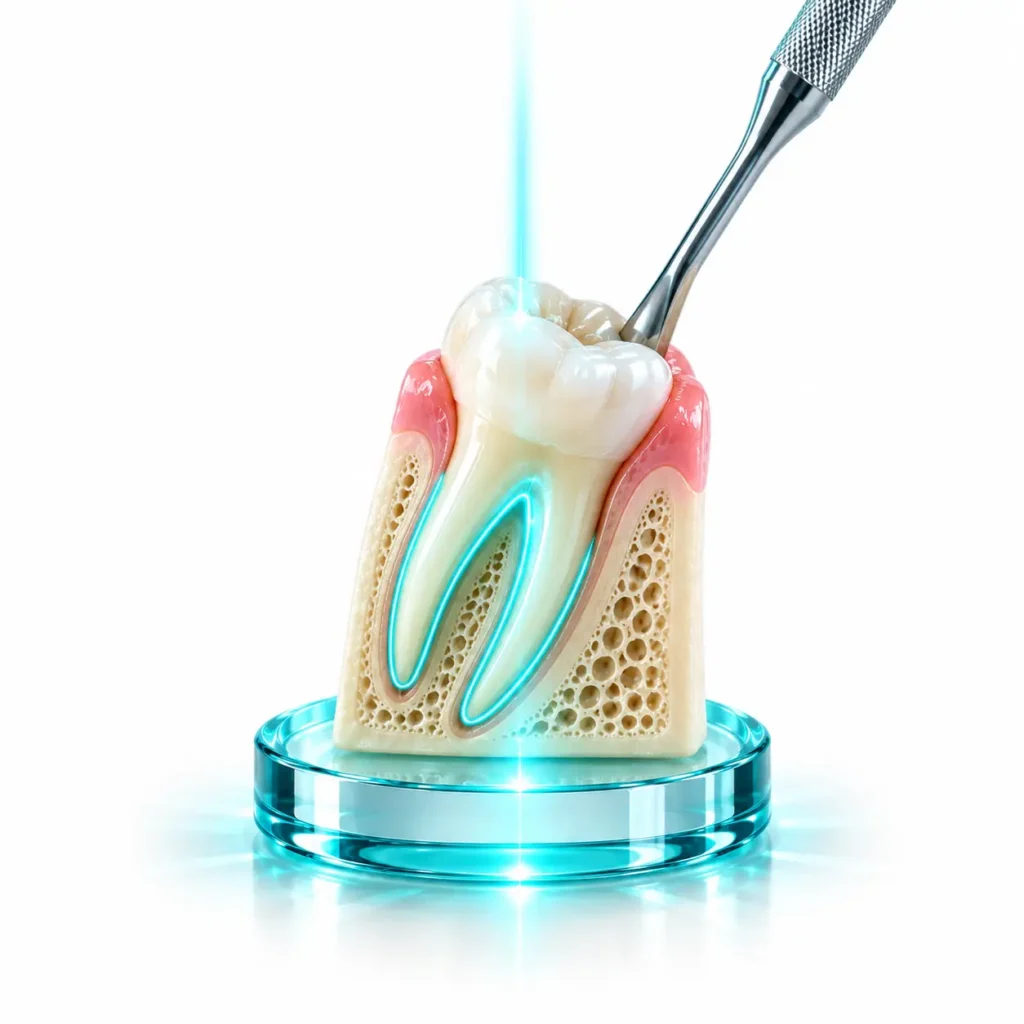
Expect clear costs, written aftercare and follow-up support, then restore gaps with implants, bridges or dentures.
Our all-female team offers a private, respectful and comfortable space for every patient, every visit.
Conveniently located at Bath Island near Old Clifton Bridge, open seven days with late evening hours.


 Trustindex verifies that the original source of the review is Google.
 Trustindex verifies that the original source of the review is Google.
 Trustindex verifies that the original source of the review is Google.
 Trustindex verifies that the original source of the review is Google.
 Trustindex verifies that the original source of the review is Google.
 Trustindex verifies that the original source of the review is Google.
 Trustindex verifies that the original source of the review is Google.

 Trustindex verifies that the original source of the review is Google.
 Trustindex verifies that the original source of the review is Google.
 Trustindex verifies that the original source of the review is Google.

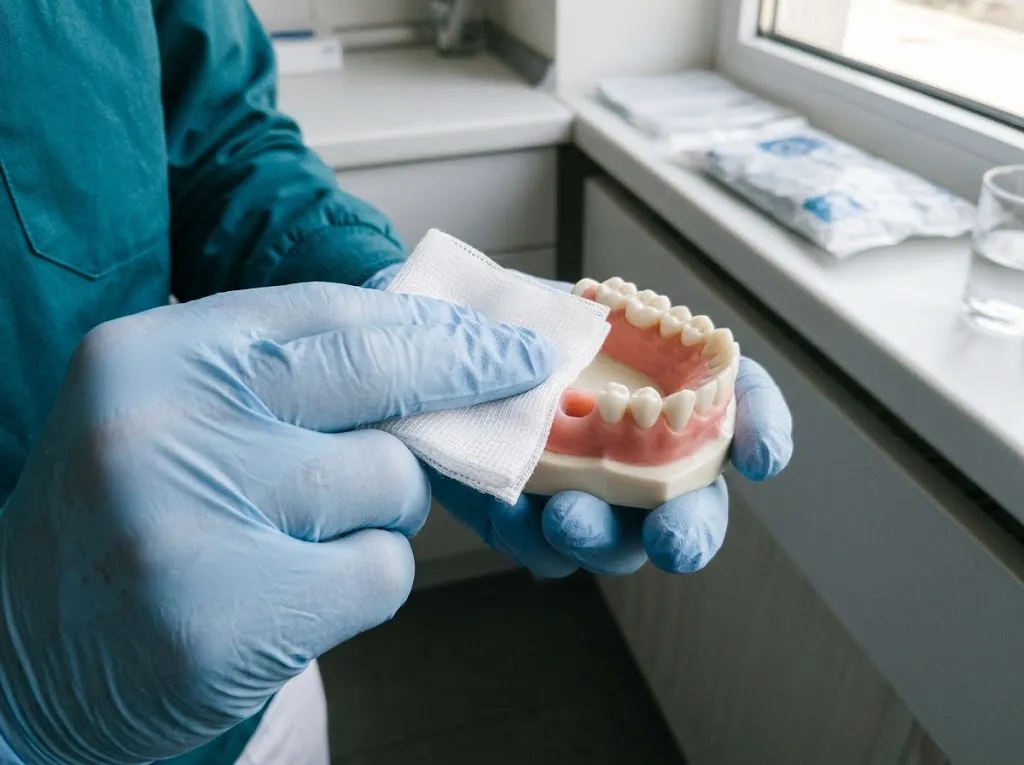
Bite firmly on gauze for 30 to 45 minutes to control bleeding. Rest, keep your head raised and use ice packs outside the cheek. Do not rinse, spit hard, smoke or drink through a straw, because these can dislodge the blood clot. Eat soft, cool food and take medicines as advised.

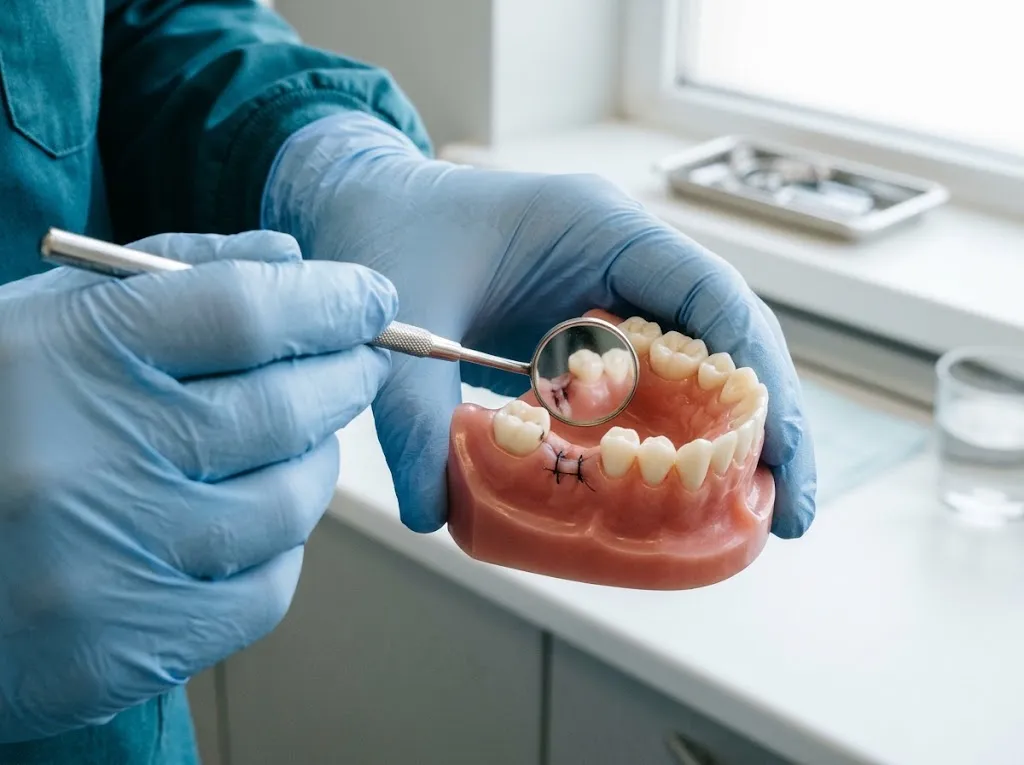
Swelling often peaks about two to three days after surgery, then settles. Most people feel better within three to seven days. Gums heal in one to two weeks, while the bone in the socket takes three to six months to fill. Avoid hard exercise and heavy lifting for about a week.
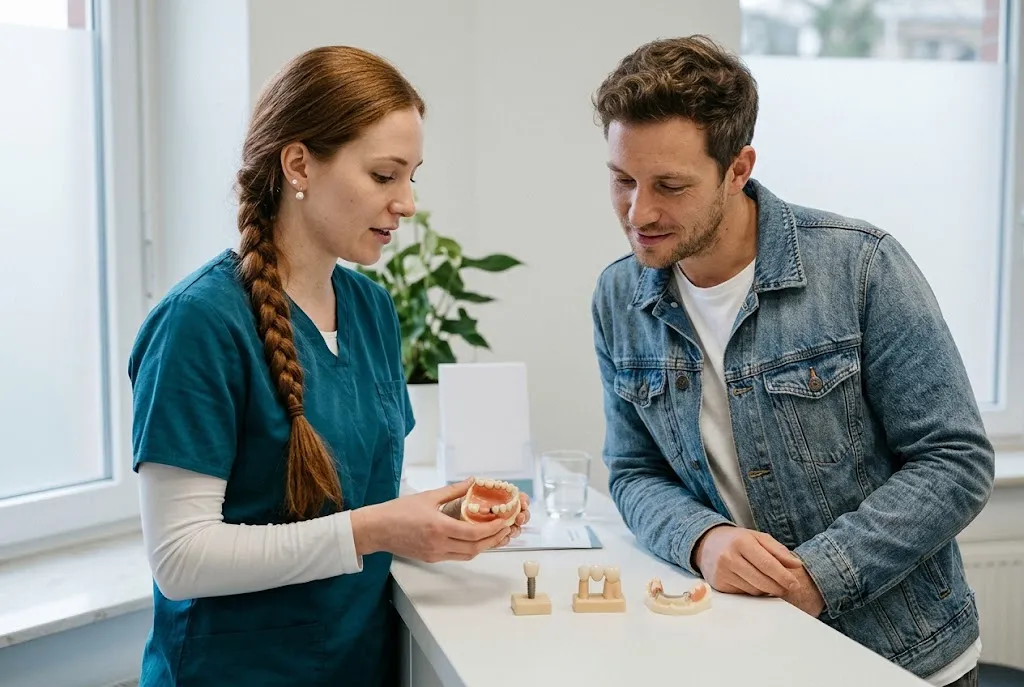
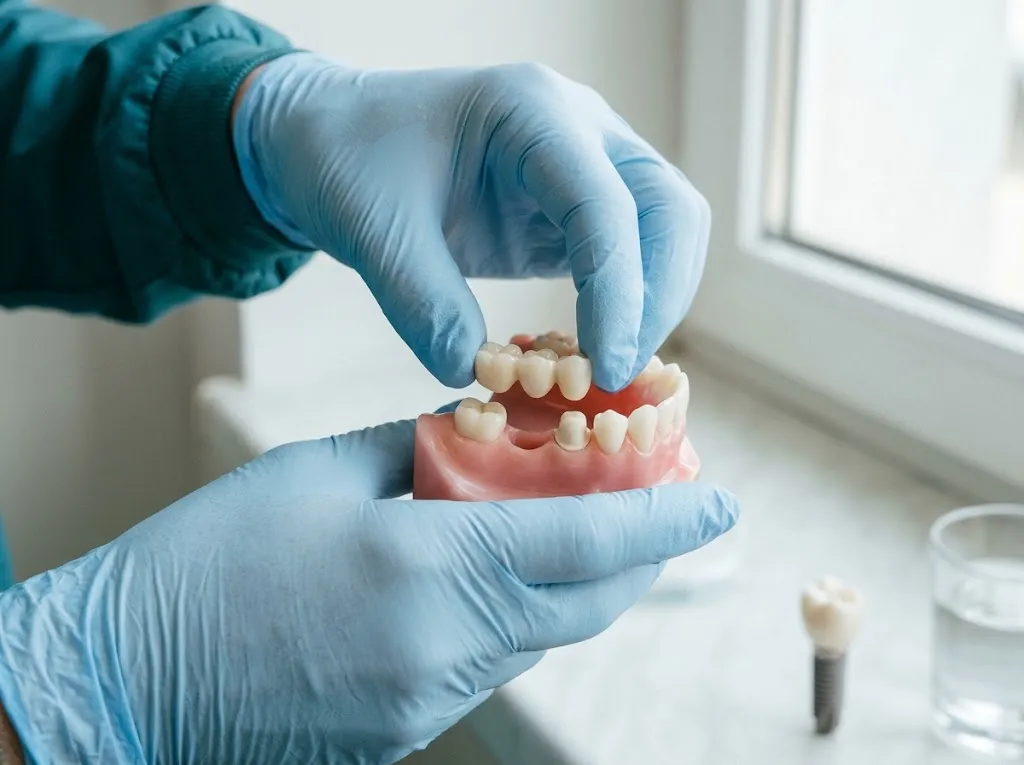
A gap can let nearby teeth drift and make chewing harder. You can replace the tooth with an implant, a bridge or a denture. Implants need healthy bone and time to heal, while bridges rely on neighbouring teeth. Ask your dentist early, because protecting the socket at extraction can help later implant placement.
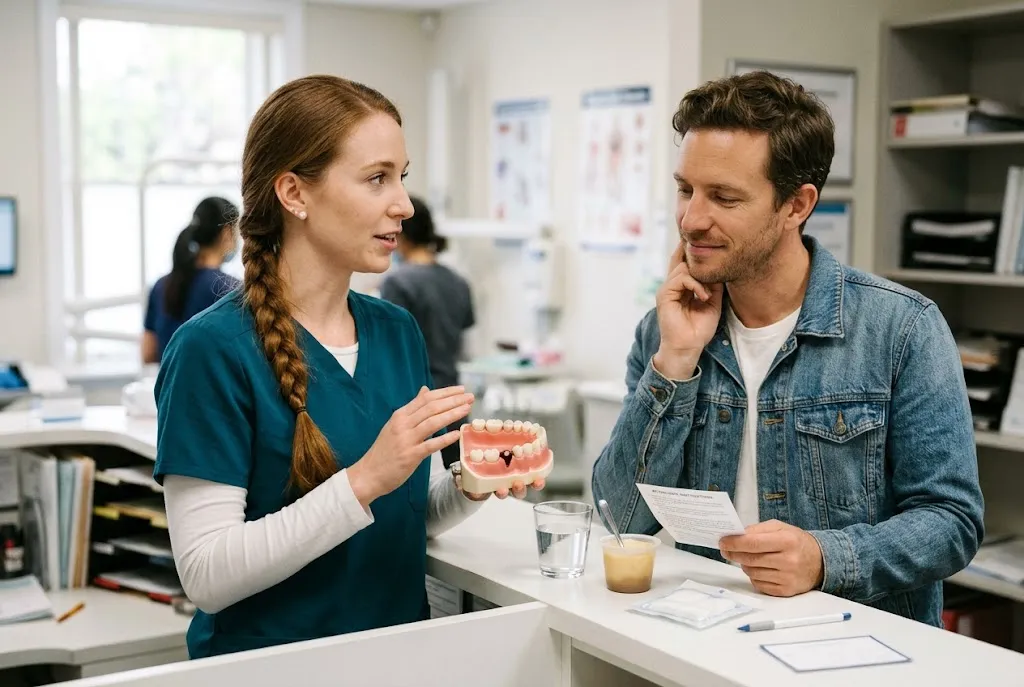
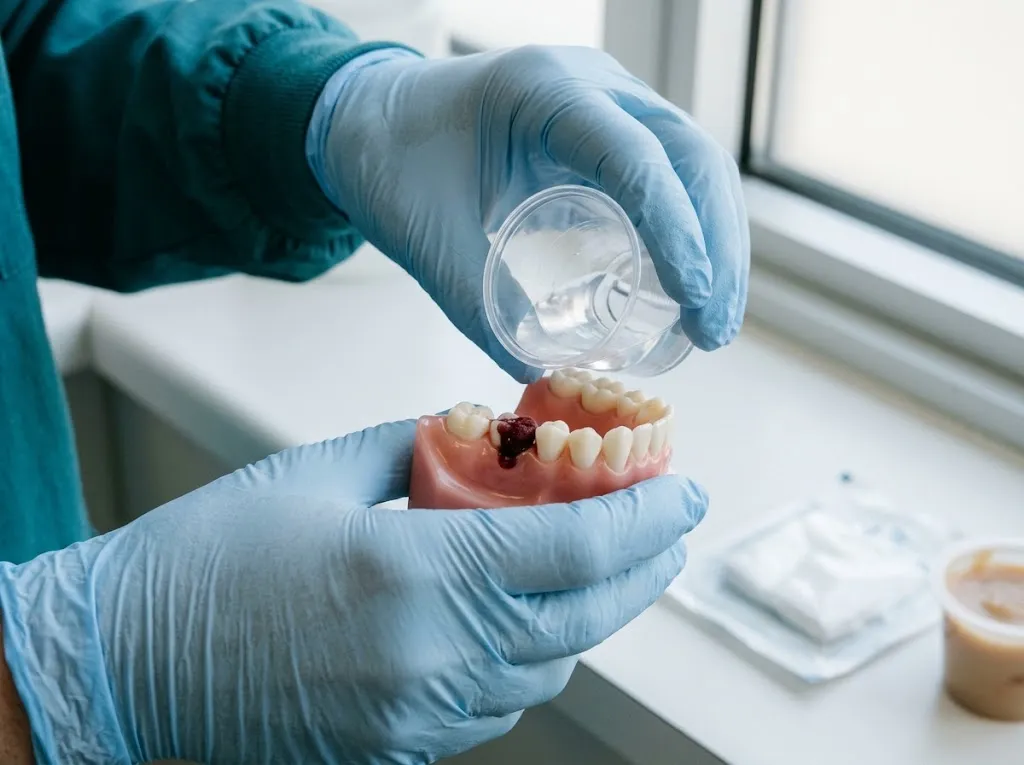
Dry socket happens when the blood clot is lost too early, exposing bone and nerves. It causes deep, throbbing pain starting two to three days after surgery, often with a bad taste or odour. Avoid straws, smoking and hard spitting for at least a week. Call your dentist if you notice these signs.
A simple extraction removes a tooth that can be seen and gripped with forceps. A surgical extraction is for teeth that are broken, impacted, curved or deeply rooted. It may need a small cut in the gum, removing a bit of bone or sectioning the tooth, and sometimes stitches.
The cost depends on how difficult the tooth is to remove, such as an impacted or broken tooth, and whether stitches are needed. After your exam you receive a clear, itemised plan with no hidden costs, and flexible payment options are available. You receive a quote after your exam and X-ray.
The area is numbed with local anaesthetic, so you should feel pressure and movement but not sharp pain. Sedation can help if you are nervous. Tell the dentist if you feel discomfort, and they can give more numbing.
Treatment starts with an exam, X-ray and a clear plan. Numbing and gentle removal keep you comfortable, and you leave with clear aftercare instructions and a follow-up visit.
After local anaesthetic only, many people can drive and return to light work the same day or next day, depending on how they feel. After sedation or general anaesthesia, arrange a lift home and rest. Avoid hard exercise and heavy lifting for a few days.
Yes. After healing, we can plan an implant, bridge or denture to replace the tooth. With implants, protecting the socket during extraction can make later placement easier.
Stitches are often placed after surgical extraction to help the gum heal and control bleeding. Most are dissolvable and fall out within a week or two. If non-dissolving stitches are used, the dentist will remove them at a follow-up visit.
Yes. We support dental emergencies, so call us if you have severe pain, swelling or an infected tooth. After examining you, your dentist will advise whether extraction is needed and treat you promptly.
We provide general health care, diagnostics, specialist consultations, emergency care, and preventive kinds wellness programs patients to consult with doctors from anywhere, anytime.
Get safe, comfortable tooth removal from an experienced dentist. Schedule a consultation and we plan your treatment carefully using X-rays.

WhatsApp us