You’ve probably seen the videos: a tiny rubber band, a couple of days, and the gap between the teeth is gone. It looks like the perfect free fix, until you learn what can happen below the gum line.
Here is the part most of those videos skip. Gaps between the upper front teeth are normal in childhood: about 98% of 6-year-olds have one and 49% of 11-year-olds, but only 7% of 12–18-year-olds still do. So a gap that stays into adulthood usually has a cause behind it, and some causes, like a tongue thrust habit or gum disease, can make it wider over time. DIY shortcuts are not a safe answer either. The American Association of Orthodontists reported that 13% of its member orthodontists had seen patients who tried DIY teeth straightening, and in one case a rubber band closed a child’s gap in two days, but it worked its way under the gums and destroyed the tissues that held the teeth in place.
So what can you really do at home? In this guide, you’ll learn what causes a gap between teeth, which safe habits can help (like tongue posture and gum care), which popular remedies are myths, why DIY rubber bands are dangerous, and when it’s time to see a dentist. Keep reading to find out what actually works.
What Is a Gap Between Teeth?
A gap between teeth is a visible space between two neighbouring teeth where they do not touch each other. It most often appears between the two upper front teeth, but it can show up between any teeth, including on the lower jaw. In dental language, this gap is called a diastema.
Gaps come in two types, normal and abnormal, and telling them apart is the first step in deciding what to do about yours.
Normal gap
It appears in a child while baby teeth are falling out and the adult teeth are still on their way. It does not hurt, the gums look healthy, and the space stays the same size. Many of these gaps close on their own as the permanent teeth settle into their final positions.
Abnormal gap
It stays into adulthood or keeps getting wider. It comes with bleeding gums, loose teeth, or a swallowing habit where the tongue pushes against the front teeth. These are signs that something is pushing or loosening the teeth, and the gap can keep growing if the cause is ignored.
Why Gaps Form: Find Your Cause First
Two people can have the same gap for completely different reasons, and the reason decides whether any home method has a chance. This is why guessing at a fix is risky. Here are the five most common causes, with what each one means for you.
| Cause | What is happening | Does the gap widen over time? | Can home care help? |
| Jaw and tooth size mismatch | The teeth are small for the jaw, so there is extra room between them. | No, it usually stays the same for life. | No. Home care cannot change jaw or tooth size. |
| Oversized labial frenum | The thin tissue joining the upper lip to the gum grows down between the front teeth and keeps them apart. | No, but the teeth cannot close the space by themselves. | No. A dentist may suggest a small procedure to release it. |
| Tongue thrust | The tongue pushes against the front teeth when you swallow instead of resting on the roof of the mouth. | Yes, the pressure can slowly widen the gap. | Partly. Retraining the swallow can stop the pushing, but it may not close the gap. |
| Gum disease and bone loss | Weak gums and bone can no longer hold the teeth firmly in place. | Yes, teeth can drift and the gap can grow. | Partly. Good gum care helps, but you need a dentist to treat the disease. |
| Missing or small teeth | A missing or undersized tooth, often a side front tooth, leaves empty space. | Yes, because teeth move around as long as there is room. | No. Home care cannot replace or reshape a tooth. |

Can You Really Close a Gap Naturally at Home?
For most people, the honest answer is no. Teeth only move when steady, controlled pressure is applied to them, and that is the job of braces or aligners that a dentist plans and checks. What home care can do is protect the teeth you have and remove whatever is pushing them apart.
What You Can Do at Home
You can keep your gums and the bone around your teeth healthy, so the teeth stay firmly in place. You can drop habits that press on the teeth, such as chewing on pens or biting nails. If your gap comes from a tongue thrust, you can retrain your swallow so the tongue stops pushing on the front teeth. These steps will not close a gap, but they can stop it from getting wider.
What You Cannot Do at Home
You cannot move teeth together safely with rubber bands or homemade braces. You cannot close a gap caused by a jaw and tooth size mismatch, an oversized lip tissue or a missing tooth. And you cannot trust any remedy that promises quick results without a dentist checking the cause first.
Home Habits That Can Actually Help
None of these habits will pull your teeth together, but each one targets something that can push teeth apart or loosen them. Practised daily, they give your teeth the best chance of staying where they are.
- Retrain your swallow. In a normal swallow, the tongue presses up against the roof of the mouth. With a tongue thrust, it pushes forward against the front teeth instead. Make a habit of resting your tongue on the roof of your mouth and swallowing without pressing against your teeth.
- Keep your lips relaxed and closed at rest. Resting with your lips gently closed and your tongue on the roof of your mouth helps keep the pressure around your teeth balanced.
- Stop habits that press on the teeth. Thumb sucking, nail biting, pen chewing and constantly pushing your tongue against your teeth all add pressure. A tongue piercing that you play with against the front teeth can also create a gap.
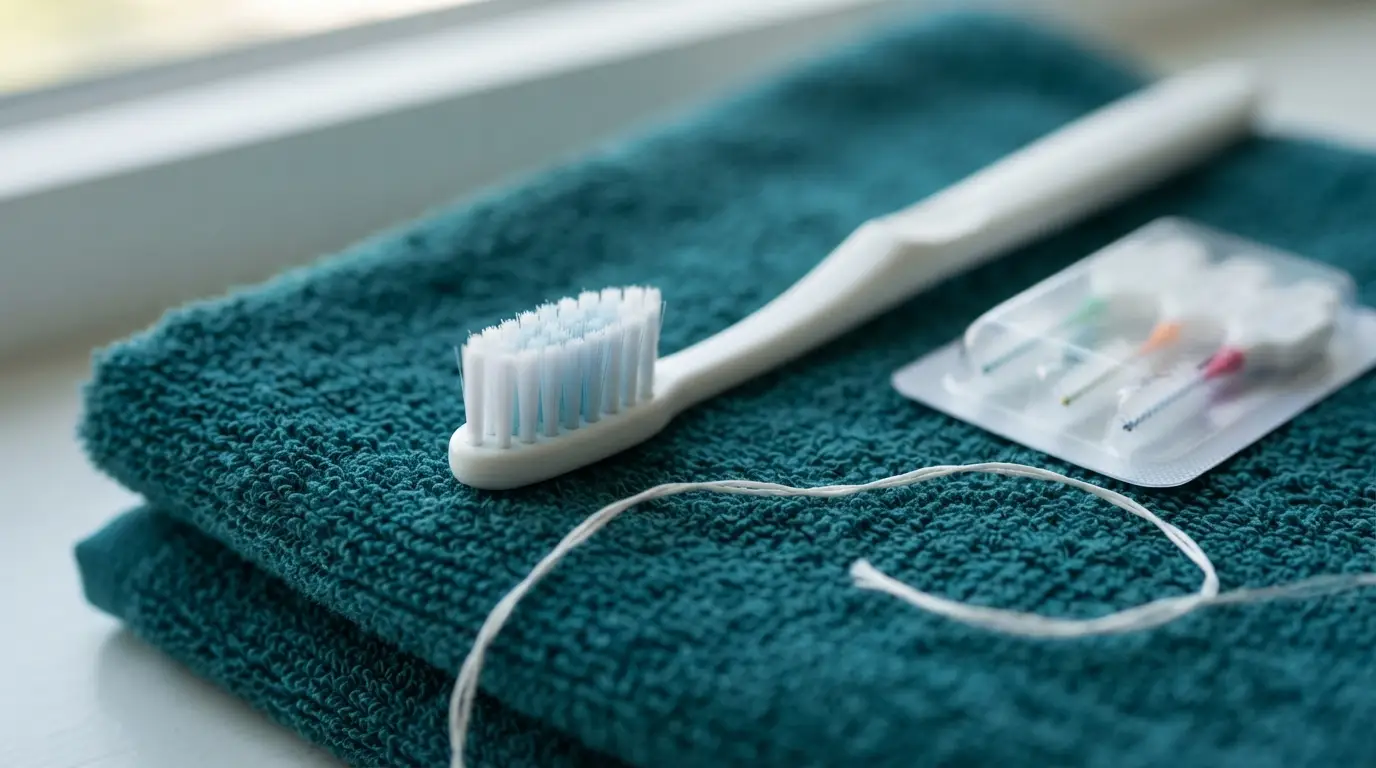
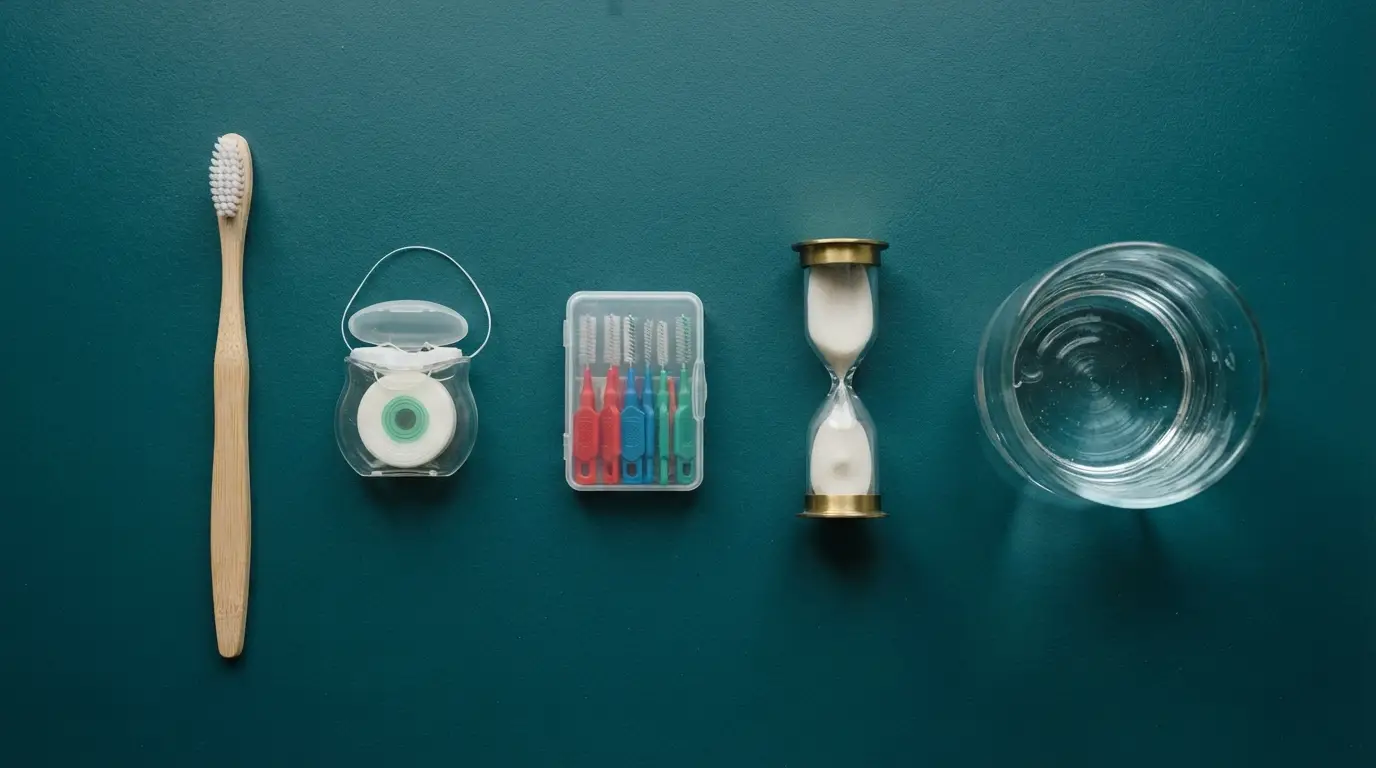
- Look after your gums. Brush twice a day, clean between your teeth daily with floss or interdental brushes, and watch for bleeding gums. Gum disease weakens the bone that holds teeth in place, and gaps caused by it can grow with time.
- Learn the exercises from a professional. A dentist or a speech or myofunctional therapist can check your swallow and teach you exercises that suit you. One study of 22 patients found that this kind of therapy improved tongue movement and strength in people with tongue thrust. It does not show that exercises alone close a gap, so treat them as a way to stop the pressure, not as a cure.
These habits work best when you combine them and keep them up every day, because a gap grows slowly and so does any improvement in the habits behind it. If your gap keeps widening, your gums bleed, or a tooth starts to feel loose, don’t wait it out. Those are signs that a dentist needs to look at the cause. Next, let’s look at the popular “natural remedies” that sound convincing online but have little to back them up.

Popular “Natural Remedies”: Myth vs. Fact
Search for a way to close a gap at home and you will find a long list of remedies that sound harmless and natural. Most of them have little or no evidence behind them. Here are the four you will see most often, and what is actually true about each.
Myth: Face and jaw exercises can pull your teeth together.
Fact: Teeth move when light, steady pressure from braces or aligners makes the bone around them remodel, and that process is slow and carefully controlled. Exercising the face or jaw does not apply that kind of force. Even the popular tongue exercise called mewing, which is promised to straighten teeth, cannot do it, and it can add jaw tension and make teeth more crooked instead.
Myth: Oil pulling shrinks gaps and strengthens teeth.
Fact: Oil pulling does nothing to move teeth. The American Dental Association does not recommend it, because reliable studies have not shown that it improves oral health. It also cannot replace brushing twice a day and flossing, which are what protect your gums.
Myth: Special foods and vitamins close gaps.
Fact: A balanced diet supports healthy gums and bones, which helps keep your teeth stable. But no food or vitamin can move teeth, so nutrition should be treated as support and not as a way to close a gap.
Myth: Chewing hard foods or gum closes gaps.
Fact: Chewing does not apply the steady, directed pressure that moves teeth. It may press on them a little, but it is highly unlikely to close a gap, and heavy chewing can strain your jaw.
If you want to try something at home, spend your time on the habits from the previous section instead, since they deal with real causes such as tongue thrust and gum disease. The next remedy needs a much stronger warning, because it is not just ineffective but dangerous. That is the rubber band, and the next section explains why you should never try it.
DIY Gap Banding and Home Braces: Why to Avoid Them
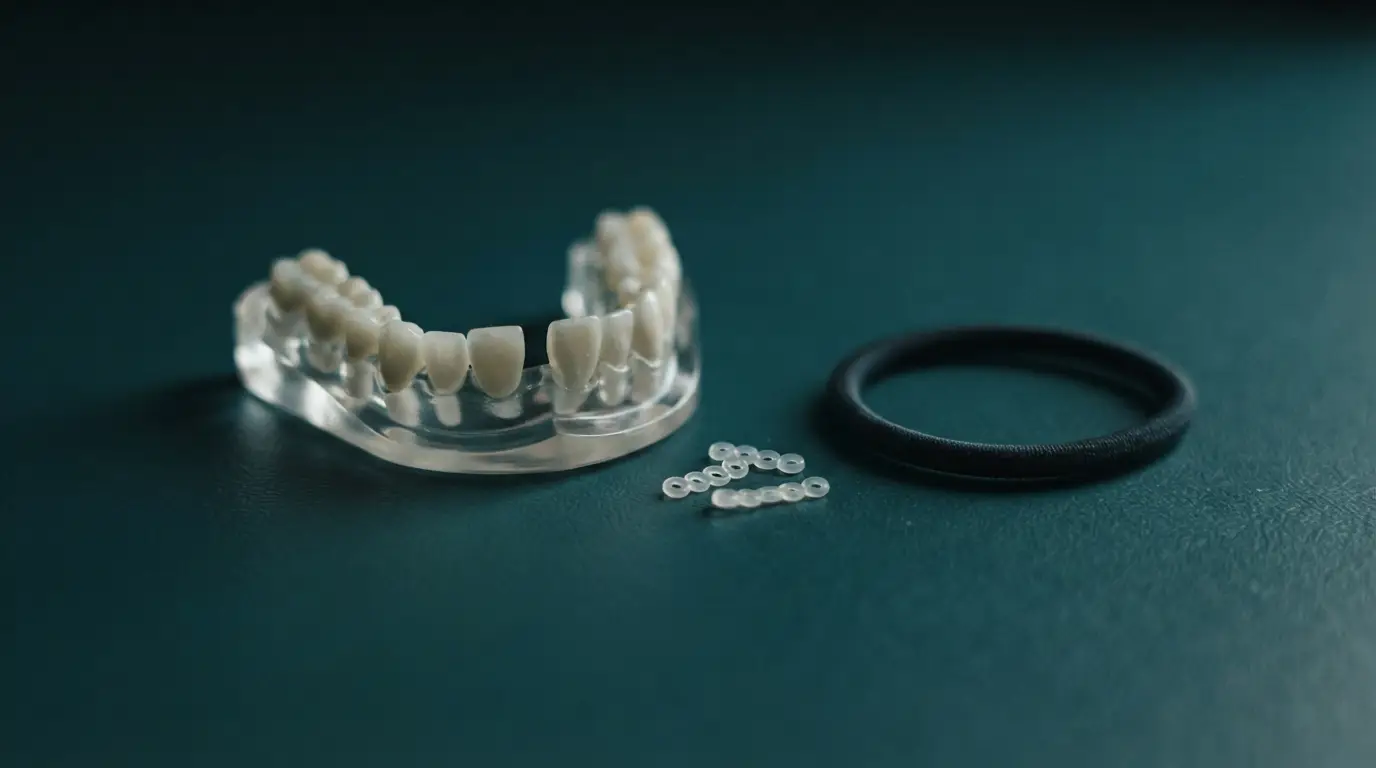
Gap banding means wrapping a small rubber band or hair elastic around two teeth to squeeze them together. Rubber bands are promoted online as a quick fix that will close a gap between teeth, and a major dental group has warned that this kind of do-it-yourself teeth straightening is dangerous. Here is why dentists keep telling people to stay away from it.
- The band does not stay where you put it. A rubber band can slip beneath the gum line, circle the root of the tooth and cut off its blood supply, which can end in total tooth loss.
- Teeth are shaped like a cone. As the band moves up the tooth, it can pull the tooth out of the bone.
- It damages what holds the tooth in place. A band left in the gum can cause an infection, and it can wear away the ligaments around the tooth until the tooth is loose enough to fall out.
- You may not be able to get it out. Once a band rides up into the gum tissue, it can take a dental procedure to lift the gum and remove it.
- Nobody has checked why the gap is there. The average person has no idea what lies beneath the gums or why the gap exists, so a hidden problem such as a buried tooth could lead to damage to the healthy teeth on either side. If the gap comes from an oversized lip tissue or a missing tooth, squeezing the teeth together does not deal with the cause either.
- The repair costs far more than the shortcut. In one published case, a 22-year-old who tried gap banding ended up needing an interdisciplinary treatment plan. The “free” fix can turn into the most expensive one.
The same warning applies to any homemade braces made from elastics, wire or other household items. If your gap bothers you, the safe route is a dentist or orthodontist who first finds the cause and then closes the gap with planned, controlled pressure. In the meantime, you can still protect your teeth at home. The next section shows a simple daily routine that keeps a gap from getting bigger.
How to Stop the Gap from Getting Bigger: A Daily Routine
A gap grows slowly, so protecting it takes small habits repeated every day. These six ways work together, and none of them needs special equipment.
Keep Your Tongue Off Your Front Teeth
Rest your tongue on the roof of your mouth and keep your lips gently closed. When you swallow, notice whether your tongue pushes forward against your front teeth, and correct it if it does. A tongue thrust is one of the causes that can slowly widen a gap, so this is the habit to practise most.
Look After Your Gums Every Day
Brush for two minutes twice a day with a fluoride toothpaste, and clean between your teeth with floss or interdental brushes once a day. Gaps caused by gum disease can get larger with time, so healthy gums are what keep your teeth firmly in place. Check your gums in the mirror and take bleeding seriously.
Stop Habits That Press on Your Teeth
Keep pens, nails, fingers and other objects away from your teeth. Thumb sucking and playing with a tongue piercing against the front teeth also add steady pressure. A habit that seems small can move teeth when it is repeated all day, every day.
Replace Missing Teeth Instead of Leaving the Space
Teeth drift into any empty space beside them, so a missing tooth can open a gap or make an existing one wider. If you are missing a tooth, come in and talk to us about replacing it before the neighbouring teeth move.
Wear Your Retainer If Your Gap Was Treated
If you have had your gap closed before, wear your retainer exactly as instructed. Teeth can drift back after treatment, and a retainer is what holds them in their new position.
Come In for Regular Check-Ups
Visit us every six months, or as we advise, so we can catch gum disease early, see whether your gap has changed, and check your swallowing pattern. Take a photo of your smile each month so you can spot slow changes that you would otherwise miss.
None of this will close your gap, but it gives you the best chance of keeping it from growing. If the gap widens anyway, your gums bleed, or a tooth feels loose, the home routine is no longer enough. The next section explains when it is time to visit us and what the treatment options look like.
When Home Care Isn’t Enough: See a Dentist
Home habits can protect your teeth, but they cannot fix every cause of a gap. Some situations need a proper examination, and the sooner we see you, the more options you have. Here are the signs that tell you it is time to come in, and what we can do about each one.
- Your gap is getting wider. Something is still pushing or loosening your teeth, such as a tongue thrust or gum disease. We will find the cause first, because treating the cause is what stops the gap from growing. If a swallowing habit is behind it, we can guide you through retraining it.
- Your gums bleed or a tooth feels loose. These are warning signs of gum disease, which weakens the bone that holds your teeth in place. This needs professional treatment, not home remedies, and it should be dealt with before any attempt to close the gap.
- A thick band of tissue sits between your front teeth. If the tissue joining your upper lip to your gum grows down between your front teeth, the teeth cannot close the space on their own. We may suggest a small procedure called a frenectomy to release the tissue before other treatment begins.
- You want the gap closed. If the gap comes from tooth and jaw size, it will not close without treatment, and you have several safe options. Braces or clear aligners move the teeth together with controlled pressure, while dental bonding and veneers close the space by reshaping the teeth. We will explain which one suits you after an examination.
- You are missing a tooth. The teeth beside it keep drifting into the space. We can use orthodontic treatment to bring the remaining teeth into position, or hold them in place while we plan a replacement for the missing tooth.
- Your child has a gap. A gap in a growing child is often normal and may close on its own as the adult teeth come in. Bring your child in if the gap is large, keeps getting bigger, or comes with other problems, so we can decide whether to wait or treat early.
If any of these sound like you, please do not wait for the gap to get worse or try a quick fix at home. A short visit can tell you what is causing your gap and which option is right for you. Still have questions about gaps? The next section answers the ones we hear most often.
Frequently Asked Questions (FAQs)
Can a gap between teeth close on its own?
In children, often yes. A gap between the upper front teeth is common while the adult teeth are coming in, and many of these gaps close as the permanent teeth settle into their final positions. In adults, a gap rarely closes by itself, especially when it comes from the size of the jaw and teeth or from a thick band of lip tissue between the front teeth.
Can tongue exercises close a gap between teeth?
On their own, no. If your gap is partly caused by a tongue thrust, retraining your swallow can stop the tongue from pushing on your teeth, and that can keep the gap from growing. Studies show this kind of therapy improves tongue movement and strength, but they do not show that exercises alone close a gap. We suggest learning the exercises under guidance and treating them as a way to stop the pressure, not as a cure.
Is gap banding with rubber bands ever safe?
No. A rubber band can slip below the gumline, cut off blood supply to the tooth and damage the ligaments that hold it in place. It can also become very hard to remove without a dental procedure. If a gap bothers you, there are safe ways to close it, and we will explain them after finding the cause.
Do gaps between teeth get bigger with age?
It depends on the cause. A gap that comes from the size of your jaw and teeth usually stays about the same for life. A gap caused by a tongue thrust or gum disease can slowly get larger with time, which is why a gap that keeps widening should be checked.
Does gum disease cause gaps between teeth?
Yes. Gum disease weakens the bone and tissue that hold your teeth firmly in place, so teeth can drift and spaces can open up. Bleeding gums, loose teeth and a gap that is getting wider are signs that you need to be examined.
Can I close a gap without braces?
Sometimes. Dental bonding and veneers close the space by reshaping the teeth instead of moving them, and they can be a good option for some gaps. Braces or clear aligners are the choice when the teeth need to move. We can tell you which option suits your gap after an examination.
Does every gap need treatment?
No. If your teeth and gums are healthy and the gap is not growing, it may be only a cosmetic matter, and whether to close it is your choice. A gap needs treatment when it comes with gum disease, loose teeth, a bite problem or a gap that keeps widening.
Conclusion
A gap between your teeth is common, and it is not always a problem. Most gaps cannot be closed at home, because teeth only move with controlled pressure that a dentist plans and monitors. What you can do is find out why the gap is there, protect your gums, correct habits that push on your teeth, and avoid shortcuts that can cost you a tooth. Use this list to make sure you have covered the essentials:
- Find the cause of your gap before trying any fix.
- Rest your tongue on the roof of your mouth and swallow without pushing on your front teeth.
- Brush twice a day and clean between your teeth daily.
- Stop habits that press on your teeth, such as chewing pens or biting nails.
- Replace any missing tooth instead of leaving the space.
- Wear your retainer if your gap was treated before.
- Never use rubber bands or homemade braces.
- Book a check-up if your gap is widening, your gums bleed or a tooth feels loose.
A word of caution: This blog gives general information and is not a substitute for a personal examination. Every gap has its own cause, and the right solution for you depends on your teeth, gums and jaw. Please do not try to move your teeth at home.
Ready to find out what is behind your gap? Book a consultation with our team today. We will examine your teeth and gums, explain the cause in simple words, and show you the safe options for reducing or closing the gap.