
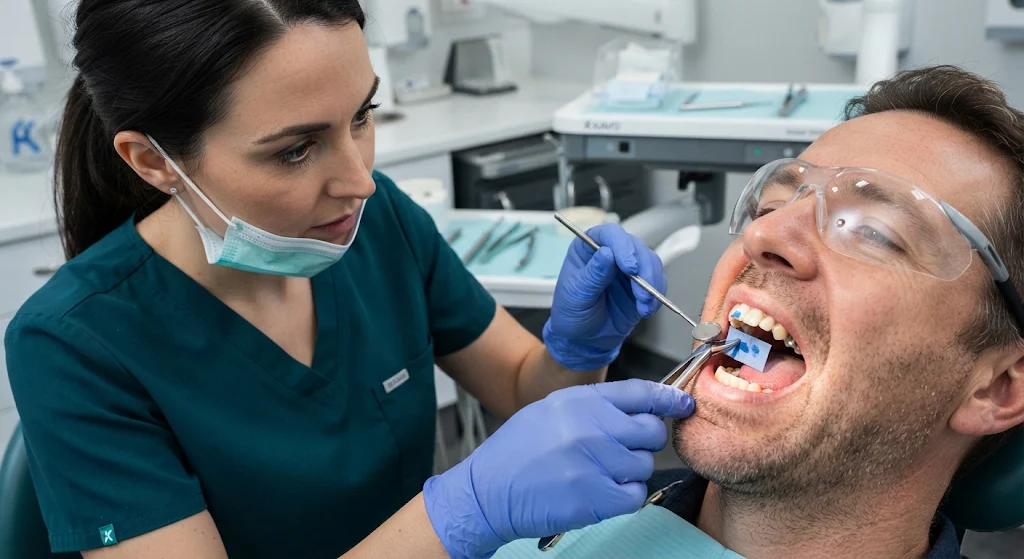
Your treatment starts with a detailed check of the gap, the neighbouring teeth, gums and bite by our dentist. We confirm if a cantilever bridge is the right option and explain the steps, cost and aftercare clearly.
Cantilever bridges work best where biting forces are lighter, such as the front teeth. We check your bite carefully to make sure the bridge will be comfortable and long-lasting.
The bridge is anchored by a crown on one healthy tooth next to the gap. This avoids reshaping teeth on both sides and makes the treatment more conservative.
Strong, tooth-coloured materials are matched to the shade and shape of your natural teeth. They look natural, resist stains and are gentle on the gums.

Low-dose digital X-rays show the root strength and bone support of the anchor tooth. A bite check helps us confirm that a cantilever bridge is safe for you.
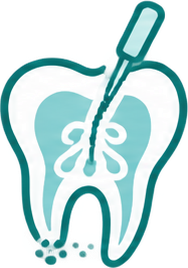
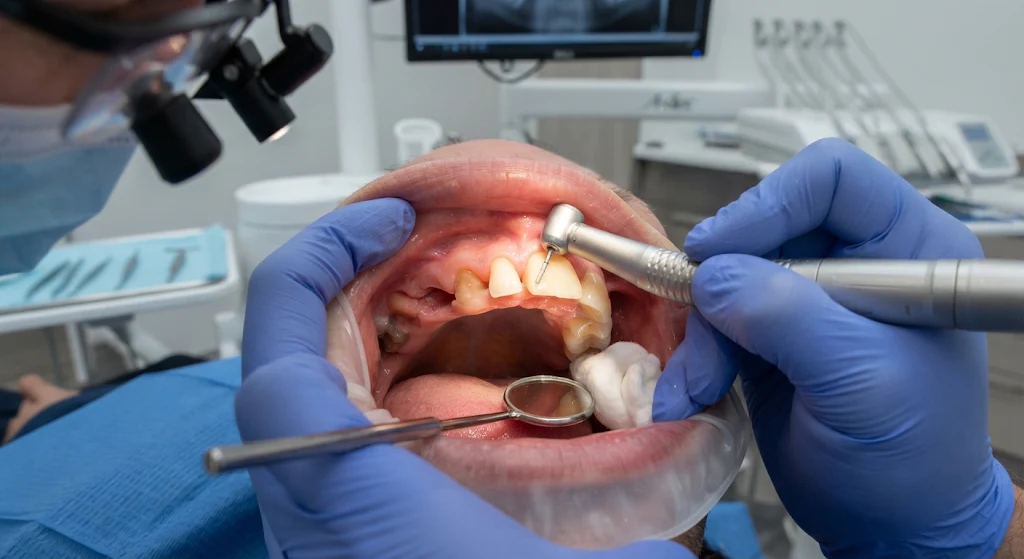
The anchor tooth is gently reshaped under local anaesthesia, and precise impressions or scans are taken. This ensures your bridge fits accurately and comfortably.
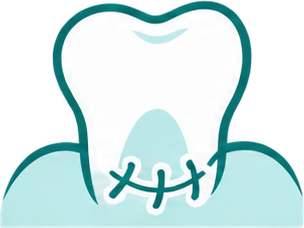
A temporary bridge protects the area while your final bridge is made. Once it is ready, we check the fit, bite and shade before permanently cementing it.
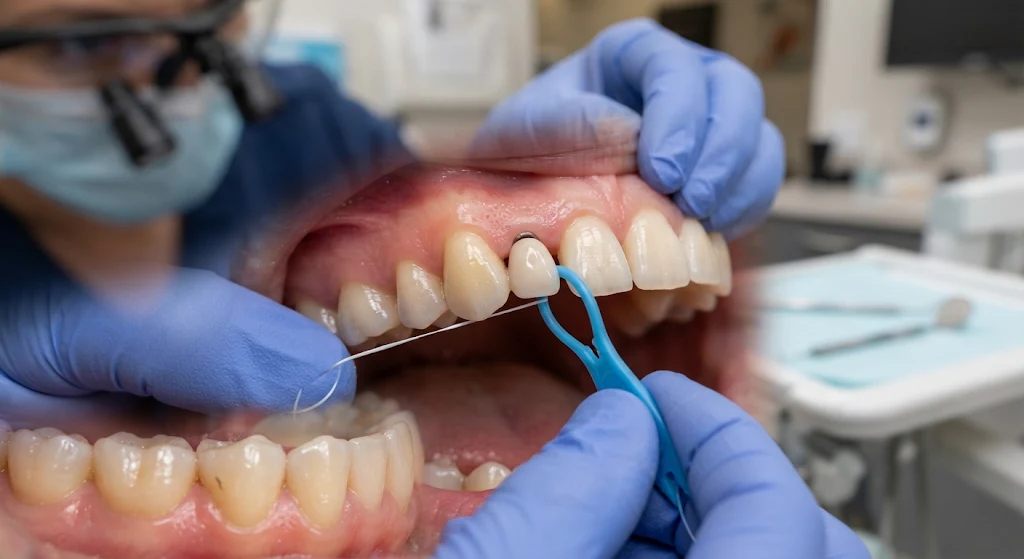
We check the bridge, anchor tooth and gums with regular visits. We also show you how to clean around the bridge, so it lasts for years.
Skilled care for carefully planned restorations.
Effective local anaesthesia keeps you comfortable throughout.
Bridges matched to the shade and shape of your teeth.
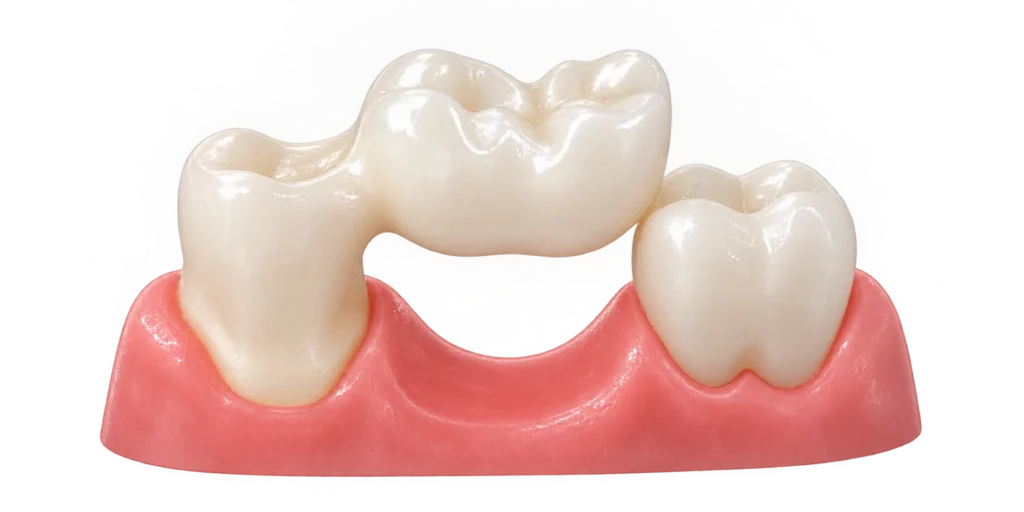
We recommend a cantilever bridge only where it is safe for your bite.
Strong, biocompatible zirconia and ceramic that last.
Regular check-ups and cleaning guidance to protect your bridge.




 Trustindex verifies that the original source of the review is Google.
 Trustindex verifies that the original source of the review is Google.
 Trustindex verifies that the original source of the review is Google.
 Trustindex verifies that the original source of the review is Google.
 Trustindex verifies that the original source of the review is Google.
 Trustindex verifies that the original source of the review is Google.
 Trustindex verifies that the original source of the review is Google.

 Trustindex verifies that the original source of the review is Google.
 Trustindex verifies that the original source of the review is Google.
 Trustindex verifies that the original source of the review is Google.
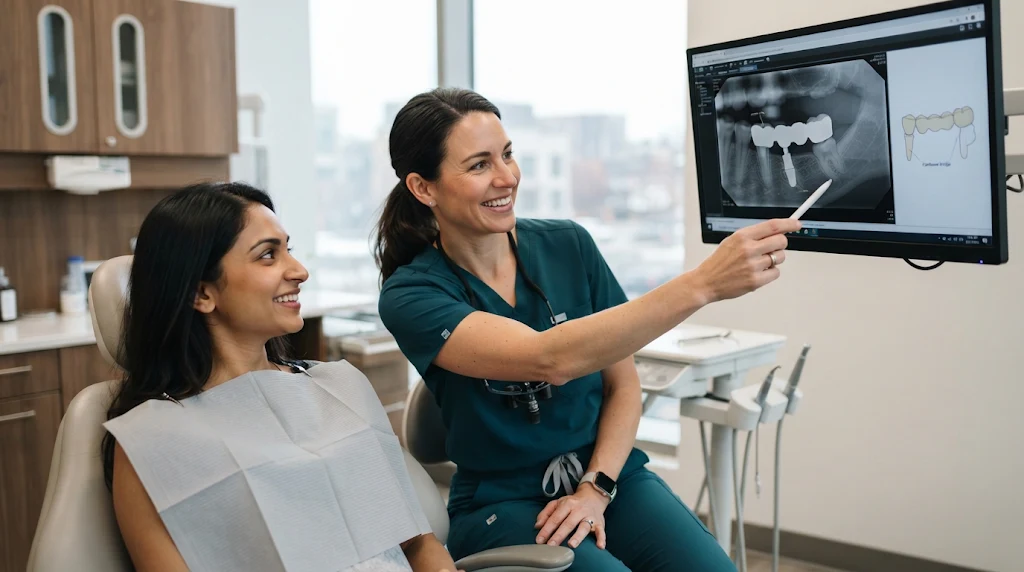


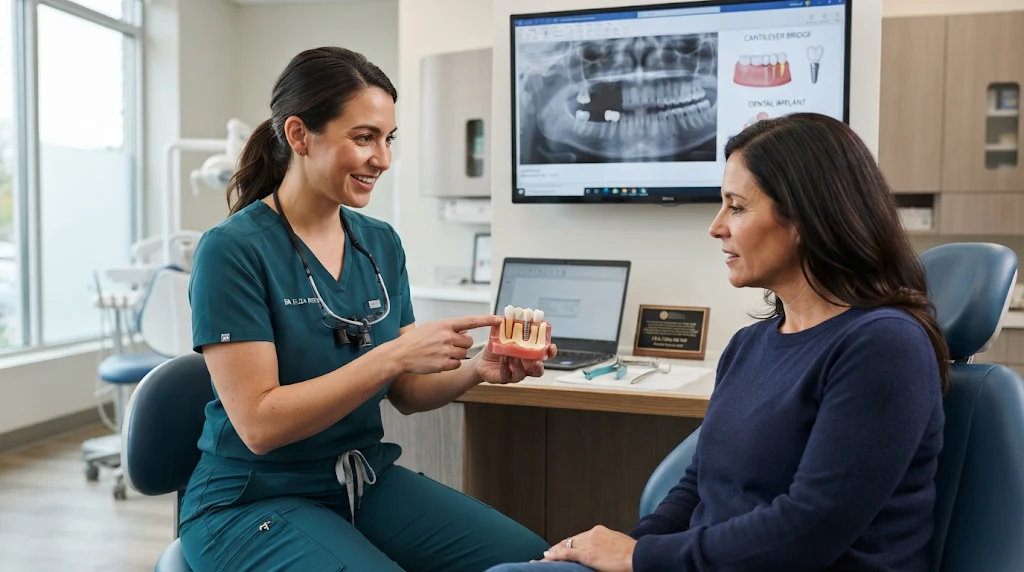
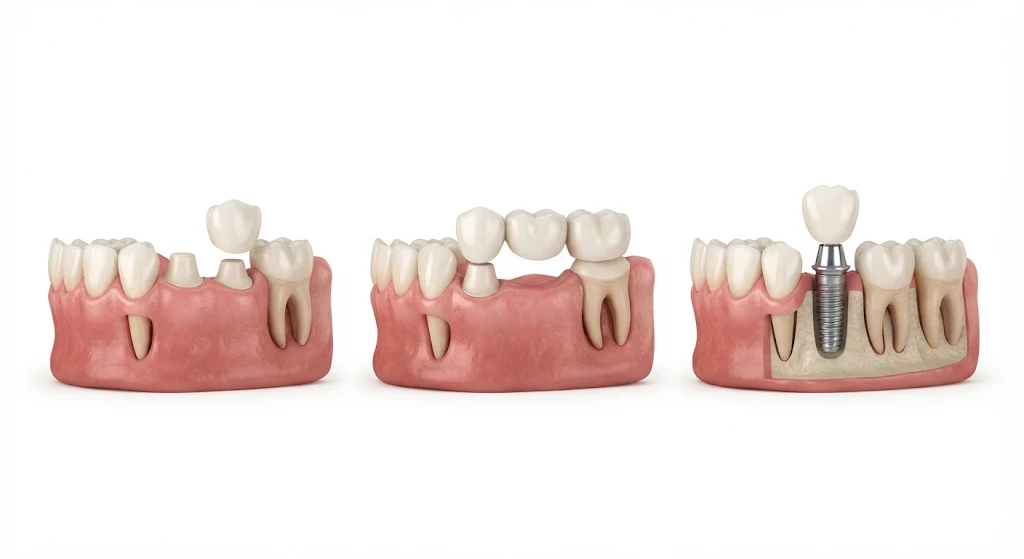
A traditional bridge is supported by teeth on both sides of the gap, which makes it stronger for back teeth. A dental implant replaces the tooth without involving neighbouring teeth, but needs enough healthy bone and more time. A cantilever bridge is a good option when only one healthy tooth is next to the gap and bite forces are light. Our dentist will recommend the right choice after examining your mouth.
A cantilever bridge replaces a missing tooth using a crown on only one neighbouring tooth. A traditional bridge uses crowns on both sides of the gap. Cantilever bridges suit areas with lighter bite forces, and we advise on this after checking your bite.
The cost depends on the number of teeth replaced, the material used (such as zirconia or ceramic) and the condition of the anchor tooth. After examining your teeth and X-rays, our dentist will give you a clear cost estimate at your consultation, before any treatment begins.
No. The anchor tooth is numbed with local anaesthesia, so you stay comfortable during the treatment. Mild sensitivity for a few days afterwards is common and usually settles on its own.
Most bridges are completed in two visits over two to three weeks. With good cleaning habits and regular check-ups, a bridge can last many years, but its lifespan depends on your bite and oral hygiene.
Our dentist checks the gap, the neighbouring teeth, your gums and your bite, and takes digital X-rays. We then confirm whether a cantilever bridge is the safest choice for you, or recommend an alternative, and explain the steps, cost and aftercare clearly.
Zia Dental Care & Aesthetics is located at G6, Mehran Excellency Apartment, Khayaban-e-Iqbal, Service Road, Bath Island, Karachi. You can book through the Book Now button or call us on +92-300-2278864 to choose a convenient time.

WhatsApp us