Ask around and almost everyone has a wisdom teeth story. A cousin who spent a week eating soup with a swollen face. A friend who was told at 20 that all four had to go, even though nothing hurt. After enough stories like these, it is easy to think wisdom teeth are always trouble.
The truth is a bit more mixed. Some wisdom teeth do cause real problems, like pain, infection and gum trouble. In a large study from Finland, only 16% of adults who still had wisdom teeth had ones that were completely healthy. But that does not mean every wisdom tooth has to be pulled. One that has come in properly, sits straight and is easy to clean can do the same job as any other back tooth. And taking one out is a real operation, with risks like nerve damage, infection and bleeding.
So the real question is not “keep them or remove them?” It is “are mine healthy enough to keep?” In this blog, we go through the benefits of keeping your wisdom teeth, what the research says, the risks, and the signs that a tooth should go. By the end, you will know what to ask at your next check-up.
What Are Wisdom Teeth, and Why Do They Cause Trouble?
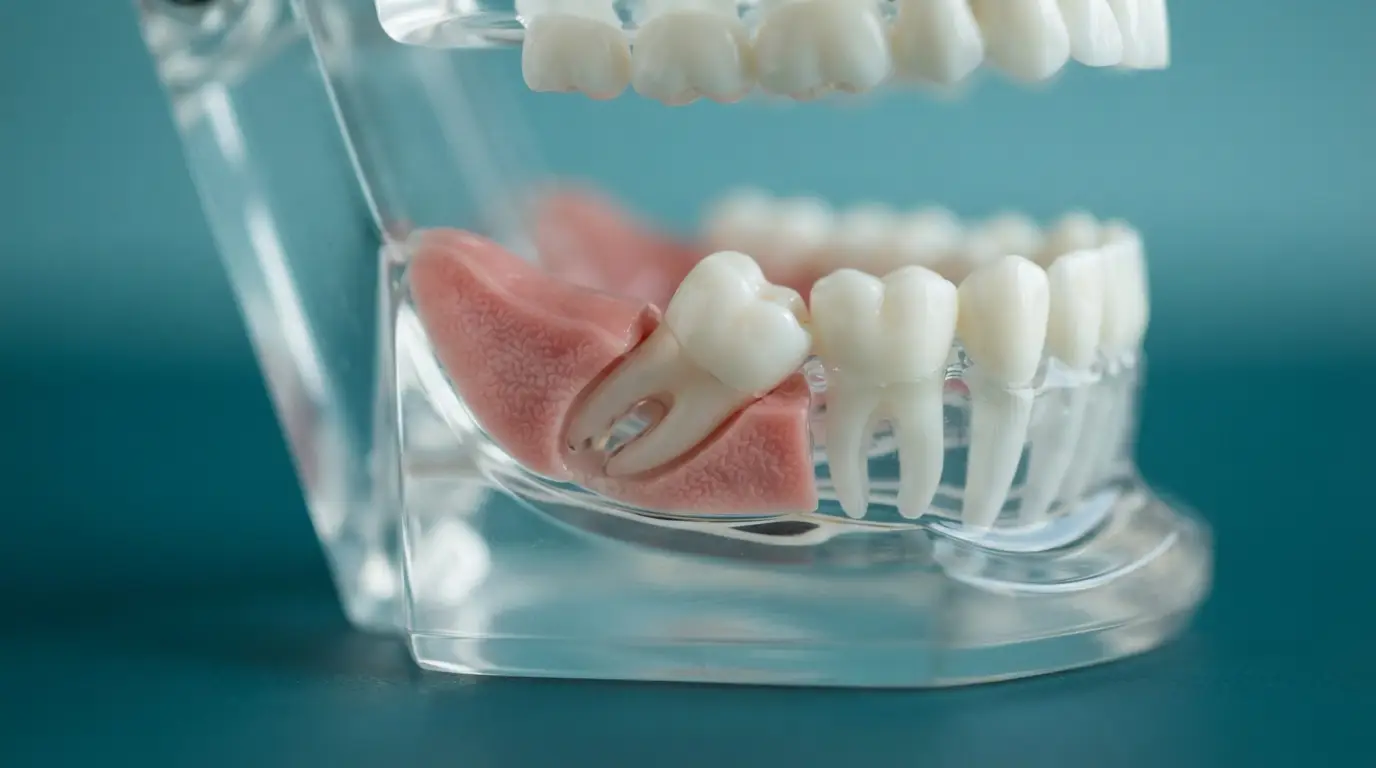
Wisdom teeth are your third molars, the big teeth at the very back of your mouth. They are the last teeth to arrive, usually in your late teens or early twenties. Most people get four, one in each corner, but some get fewer and some get more.
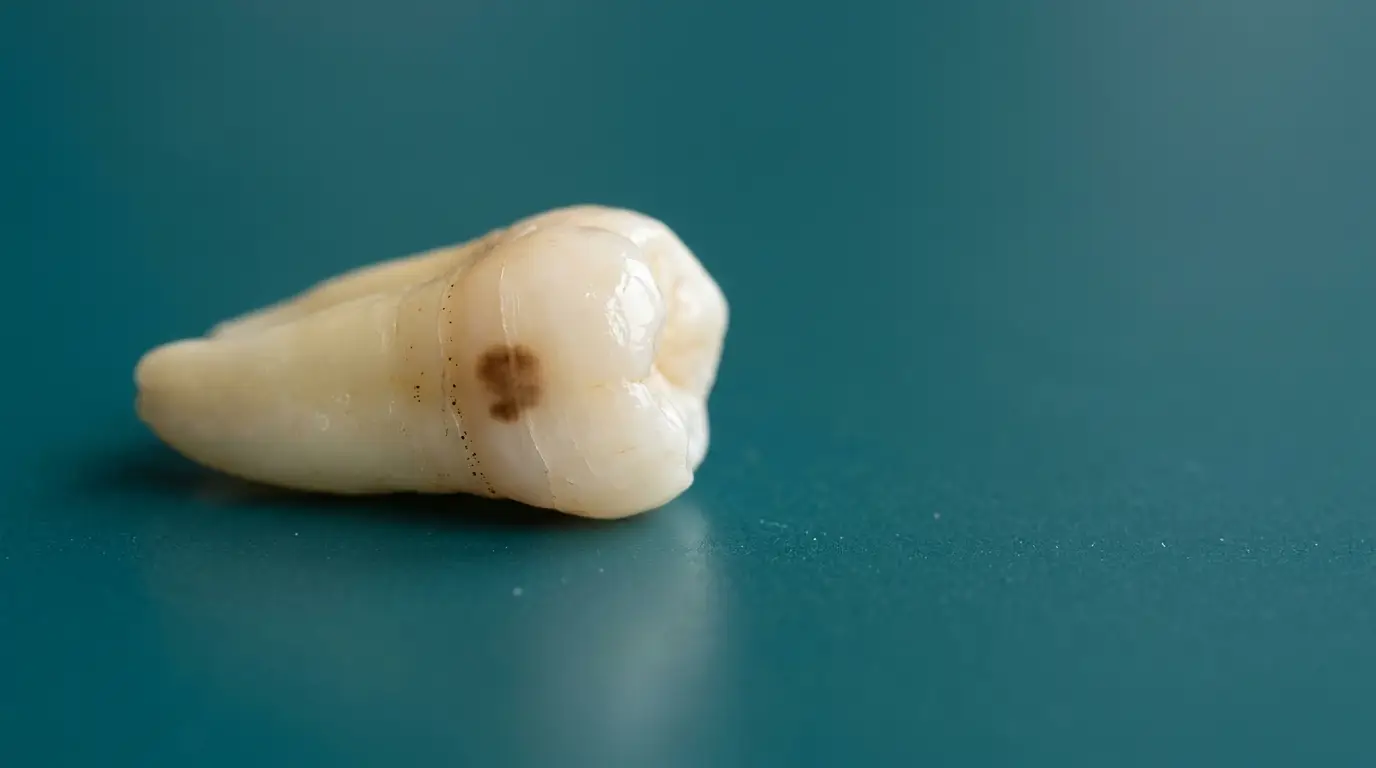
The trouble starts when there is not enough room. By the time wisdom teeth try to come in, the other teeth have already taken their places. A wisdom tooth can end up stuck under the gum, only halfway out, or tilted against the tooth in front of it. We call this an impacted wisdom tooth. Some impacted teeth cause no problems. Others cause plenty.
Problems Wisdom Teeth Can Cause
- Swollen, sore gums around a tooth that is only partly out.
- Food and plaque getting trapped, which leads to decay because the area is hard to clean.
- Gum disease in the tooth next to it.
- Infection or an abscess.
- Damage to the neighbouring tooth.
- Pain that comes and goes, or does not go away.
Having a wisdom tooth does not mean you will have these problems. It means we need to look at yours, because we cannot tell from the outside what is going on underneath.
Should You Keep Your Wisdom Teeth? The Short Answer
Yes, sometimes. Wisdom teeth do not have to come out just because they are there. If you have enough space for them and they work normally, there is no reason they automatically need to come out. A healthy wisdom tooth can chew your food just like your other back teeth. The key word is healthy, and the two lists below show what that looks like.
When You Can Keep Your Wisdom Teeth
- The tooth has come in fully and sits straight.
- It does not hurt.
- You can brush and floss it easily.
- The gums around it look healthy.
- An X-ray shows no hidden decay, infection or damage to the tooth next to it.
- You come in for regular check-ups so we can keep an eye on it.
When Your Wisdom Teeth Should Come Out
- You have repeated pain or swelling around the tooth.
- There is an infection or abscess.
- The decay cannot be treated.
- The tooth is damaging the tooth next to it.
- It is stuck under the gum and keeps getting infected.
- An X-ray shows a cyst or tumour around the tooth (this is rare).
We decide this after an exam and an X-ray, so please do not wait if you notice any of these signs. Book a visit and we will tell you which group your teeth fall into.
No, there are two more benefits worth adding. A healthy wisdom tooth can hold up a bridge or partial denture, and keeping it means you skip complications like dry socket. Some websites also say wisdom teeth keep your other teeth in line, but research has not shown that, so I left it out.
Benefits of Keeping Healthy Wisdom Teeth
If your wisdom teeth are healthy, keeping them can have some real advantages. These benefits only apply to teeth that have passed an exam and X-ray, not to teeth that are causing trouble.
- More chewing power. More teeth means more surface to grind your food, and the work is shared between them. A healthy wisdom tooth does the same job as your other back teeth.
- No surgery and no recovery. Taking out a wisdom tooth is a real operation. It can bring swelling, pain, trouble opening your mouth, and risks like nerve damage, infection and bleeding. Dry socket, a painful healing problem after extraction, is also one of the most common complications. If the tooth is healthy, keeping it means you avoid all of that, along with the cost.
- Support for a bridge or denture. If you lose the molar in front of it, a healthy wisdom tooth can sometimes hold a fixed bridge or a partial denture in place. This only works when the tooth’s shape and position suit it.
- A possible spare tooth. A healthy wisdom tooth can sometimes be moved into the place of a lost back molar. This has worked well in case reports, but it depends on the tooth and the surgery involved, so it is a possibility and not a promise.
- Possible future medical use. Researchers have found stem cells in the soft pulp inside wisdom teeth and are studying how they might be used in treatment. This is still early research, so it is not a reason on its own to keep a tooth.
None of these benefits means you should hold on to a wisdom tooth that is causing problems. If yours are healthy, they are worth keeping. If you are not sure, book a visit and we will check them for you.
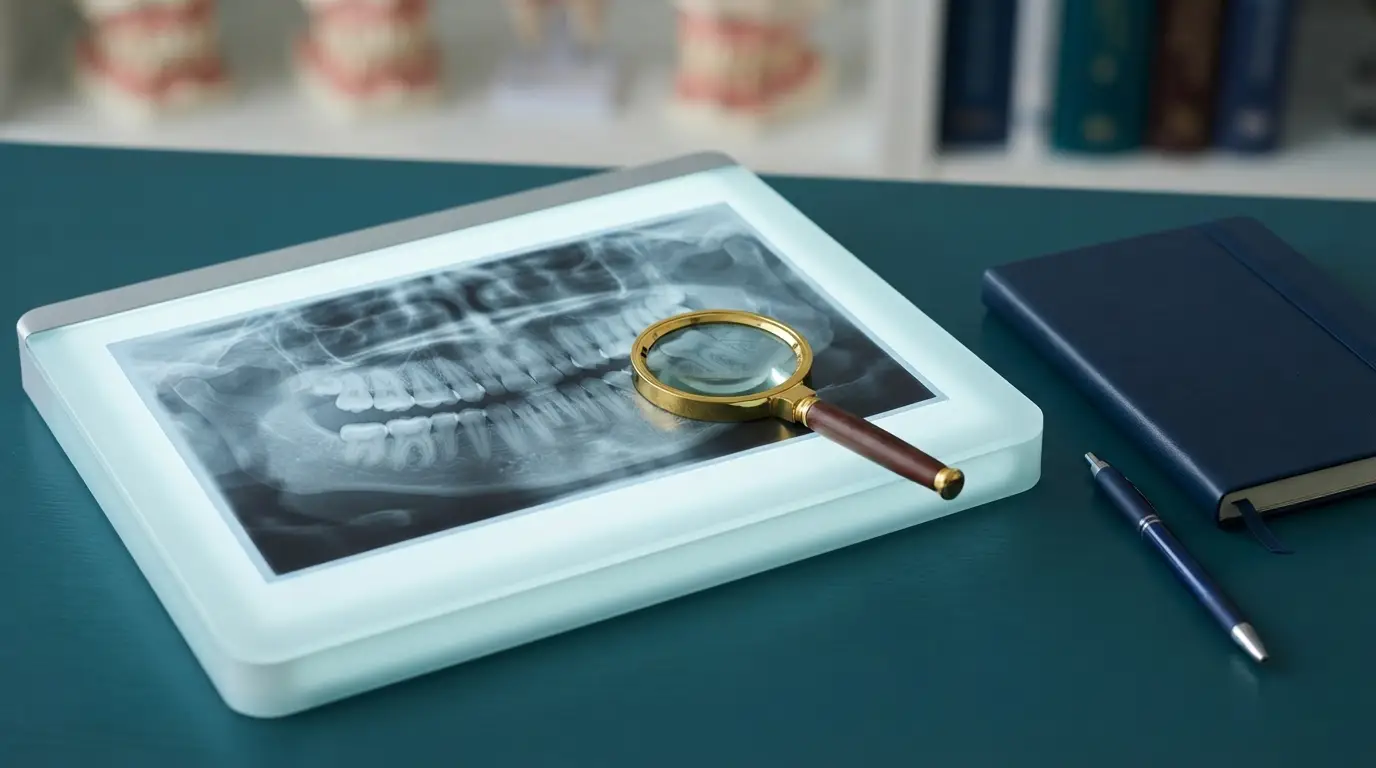
What the Research Says About Keeping vs. Removing Wisdom Teeth
Researchers have studied this question for years. Here is what they found, in plain words.
- More than 1 in 4 kept wisdom teeth end up being removed. One review followed 4,723 wisdom teeth that had no symptoms. By the end of follow-up, 1,286 had been taken out. On average, about 3 in every 100 were removed each year. So a healthy wisdom tooth is not guaranteed to stay healthy forever, which is why it needs regular checks.
- Impacted wisdom teeth are common. In a survey of Finnish adults aged 30 and over, 21.9% had at least one impacted wisdom tooth, and one third of the wisdom teeth still in the mouth were impacted.
- Healthy impacted teeth may raise the risk of gum disease next to them. A study of 416 men aged 24 to 84 found that impacted wisdom teeth with no disease might be linked to more gum disease around the tooth beside them. The evidence was weak, so this is a warning sign to watch, not a proven rule.
- Removing wisdom teeth does not prevent crowding. The one trial that checked found no difference in crowding of the lower front teeth after 5 years, whether the wisdom teeth were removed or kept.
- No good trial proves that removing healthy ones helps. A Cochrane review, one of the most trusted types of medical research summary, found no solid proof either way for healthy impacted wisdom teeth. That is why UK guidance advises against removing them if they are healthy and cause no trouble, while some US surgeon groups support removal when future problems are likely.
So the research does not tell us to remove every wisdom tooth, and it does not tell us to keep every one either. The safest approach is to check each tooth with an exam and X-ray, and to keep checking it over the years. That is what we do for our patients.
Myths About Keeping Wisdom Teeth
There is a lot of advice about wisdom teeth, and some of it is wrong in both directions. Here are the most common myths, and the facts behind them.
Myth: All wisdom teeth must come out.
Fact: Not always. A wisdom tooth that has come in fully, sits straight and is easy to clean can stay. Research has not proven that removing healthy ones helps, and UK guidance advises against operating on healthy impacted wisdom teeth.
Myth: Keeping your wisdom teeth will crowd your other teeth.
Fact: There is no proof of this. The one trial that checked found no difference in crowding of the lower front teeth after 5 years, whether the wisdom teeth were removed or kept.
Myth: Keeping your wisdom teeth protects your alignment.
Fact: Some websites say wisdom teeth hold your other teeth in place. Research has not shown that. Neither keeping nor removing them has been proven to change how your teeth line up.
Myth: If a wisdom tooth does not hurt, it is healthy.
Fact: A tooth can have hidden decay or gum problems without causing any pain. That is why we check wisdom teeth with an X-ray and not just by asking how they feel.
Myth: If you keep them now, you will never need surgery.
Fact: Many kept wisdom teeth are taken out later. In one review, 1,286 of 4,723 wisdom teeth that had no symptoms were removed during follow-up. Keeping a tooth is not a promise that it will stay trouble-free, so it needs regular checks.
Myth: Wisdom teeth are useless.
Fact: A healthy wisdom tooth chews food like any other back tooth. It can also help hold a bridge or partial denture in place, and sometimes it can replace a lost molar.
The truth sits in the middle. Wisdom teeth are not automatically trouble, and they are not automatically safe. Each tooth needs its own check.
Risks of Keeping Wisdom Teeth
Keeping healthy wisdom teeth has benefits, but it also has risks. It is better to know them before you decide.
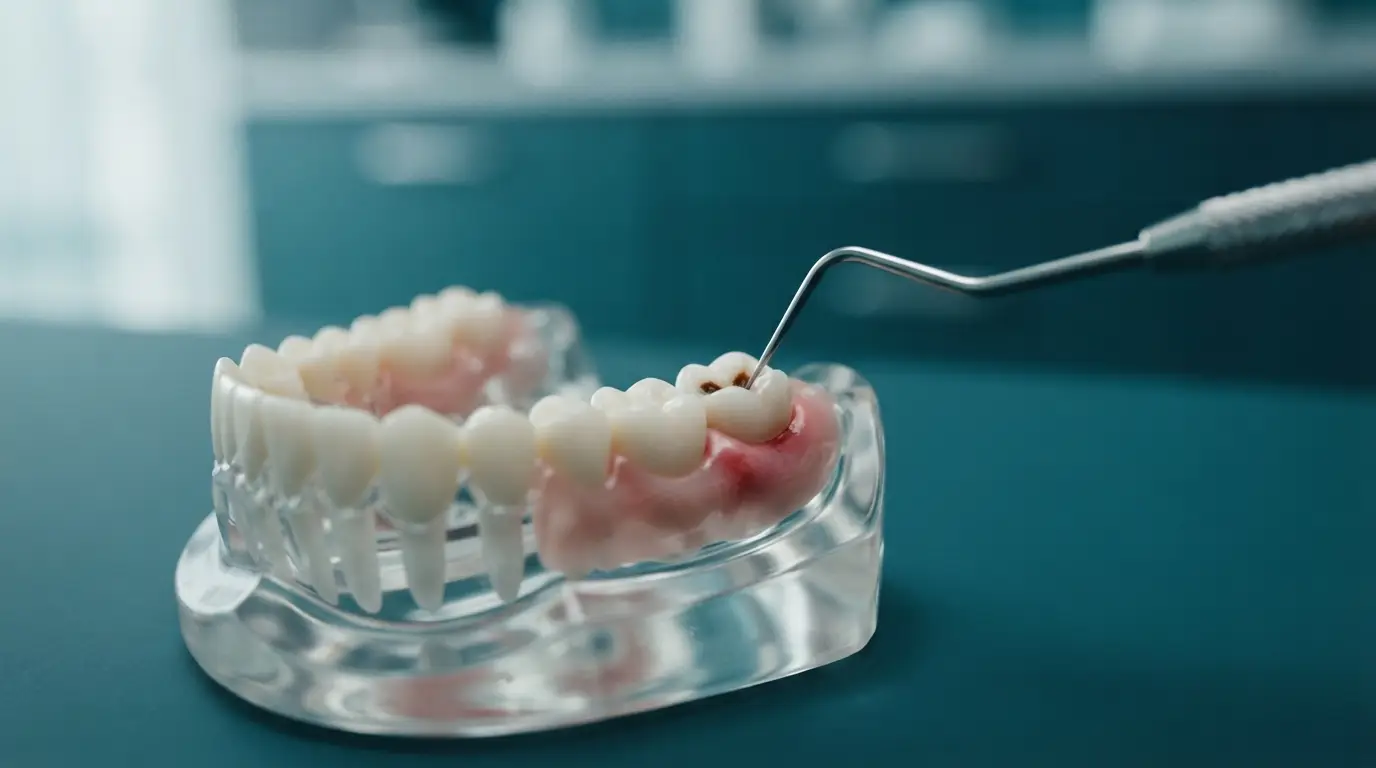
- They are hard to clean. Wisdom teeth sit at the very back of your mouth, where a toothbrush and floss barely reach. Food and plaque build up, and that raises the risk of decay.
- The gum around them can get inflamed. When a wisdom tooth is only partly out, a flap of gum can cover part of it. Food gets trapped under the flap, and the gum becomes swollen, sore and sometimes infected.
- They can harm the tooth next to them. Decay and gum disease can spread from a wisdom tooth to the tooth in front of it. Pressure from a wisdom tooth that is pushing against its neighbour can damage that tooth too.
- Infection or an abscess can develop. An infected wisdom tooth can cause pain, swelling and a fever, and it needs prompt treatment.
- Problems can start without any pain. A tooth can have hidden decay or gum disease for a long time before it hurts. By then, the damage may already be done.
- Cysts or tumours can form around the tooth. This is rare, but it is one reason we check wisdom teeth with X-rays.
- You may need surgery later, when it is harder. Many kept wisdom teeth do end up being removed. Surgery tends to carry fewer complications in younger patients than in older ones, so waiting can make an operation more difficult.
None of this means you should remove a healthy wisdom tooth to be safe. It means a tooth you keep needs to be watched. Regular check-ups and X-rays let us catch these problems early, when they are easier to treat.
How to Look After Wisdom Teeth You Keep
A wisdom tooth you keep needs a little extra care, because it is harder to reach and easier to forget. These steps help keep it healthy.
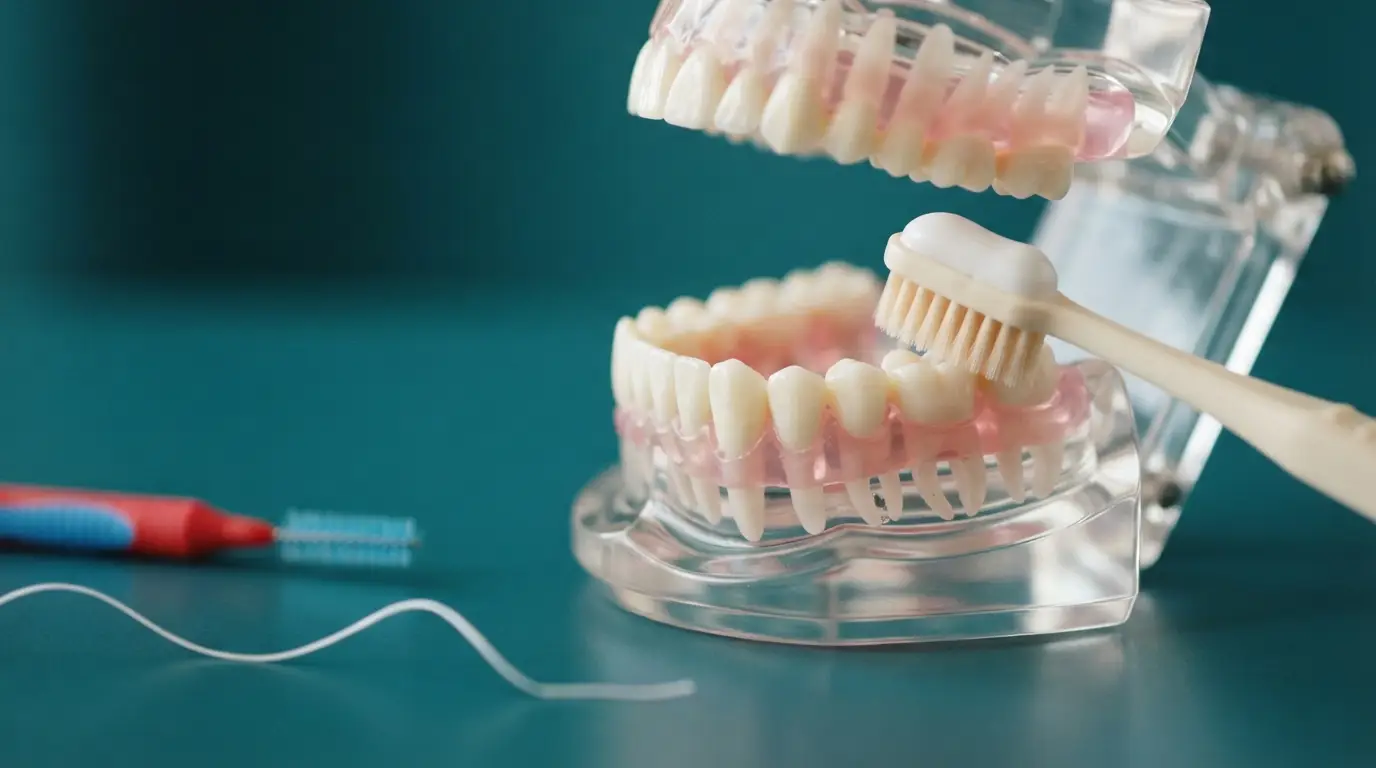
- Brush the back of your mouth properly. Brush for two minutes, twice a day, with a fluoride toothpaste. Use a small-headed brush and angle it so the bristles reach the back and the gumline behind your last tooth. Go slowly, because this is where plaque hides.
- Clean between your teeth every day. Floss or use interdental brushes around your wisdom teeth. If floss is hard to use at the back, ask us to show you an easier way.
- Check your gums regularly. Look at the gums around your wisdom teeth in a mirror. Healthy gums are firm and pink and do not bleed. Redness, swelling or bleeding means something is wrong.
- Come in for regular check-ups and X-rays. An X-ray shows what we cannot see from the outside, such as hidden decay, gum problems or changes in the way the tooth is sitting. We will tell you how often you need one.
- Know the warning signs. Contact us if you notice pain, swelling, a bad taste, bleeding gums or trouble opening your mouth. Do not wait for it to pass.
- Do not ignore small problems. A little soreness that comes and goes can be an early sign of infection. It is easier to treat early than to wait until it becomes an emergency.
If you look after your wisdom teeth and keep your appointments, you give them the best chance of staying healthy. If something changes, we will tell you honestly whether it is time to take a tooth out.
Frequently Asked Questions (FAQs)
Is it okay to keep my wisdom teeth if they don’t hurt?
Yes, it can be. If a wisdom tooth has come in fully, sits straight, is easy to clean and looks healthy on an X-ray, there is usually no need to take it out. But no pain does not always mean no problem, because decay and gum disease can start quietly. That is why we check them with X-rays and regular exams.
Can a wisdom tooth replace a missing tooth?
Sometimes. A healthy wisdom tooth can occasionally be moved into the place of a lost back molar, and it can also help hold a bridge or partial denture in place. Whether this works depends on the shape and position of the tooth, so we need to look at it first.
Should I bank my wisdom tooth stem cells?
Wisdom teeth do contain stem cells in their soft pulp, and researchers are studying how they might be used in medicine. But this research is still early, and we are not aware of any proven, routine treatment that depends on stored dental stem cells. We would not suggest keeping or removing a tooth for this reason alone. If you are curious, ask us and we will explain the options.
Does removing wisdom teeth change my alignment or face?
Research has not shown that removing wisdom teeth prevents crowding, and it has not shown that keeping them causes it. We also did not find reliable evidence that removing them changes the shape of your face. Your teeth can still shift over the years for other reasons.
At what age should wisdom teeth be removed?
There is no single age that fits everyone. If a tooth needs to come out, surgery tends to have fewer complications in younger patients than in older ones, so we do not like to leave a problem tooth for years. If your wisdom teeth are healthy, there is no need to rush.
How often should I get my wisdom teeth checked?
At least at your regular check-ups. We will tell you if you need X-rays more often, based on how your teeth look and where they sit. Come in sooner if you notice pain, swelling, a bad taste, bleeding gums or trouble opening your mouth.
Conclusion
Wisdom teeth do not automatically have to come out. If yours are healthy, fully in, easy to clean and clear on an X-ray, keeping them is a reasonable choice. You get extra chewing power, you avoid surgery, and you keep a tooth that may help you later. But keeping them comes with responsibility, because they can develop problems quietly, and many are removed later on. The research does not give one answer for everyone, so the right decision depends on your teeth. Here is a quick summary:
- Healthy, well-placed wisdom teeth can stay.
- Wisdom teeth that cause pain, infection or decay, or damage the tooth next to them, should come out.
- No pain does not always mean no problem, so X-rays matter.
- Research has not proven that removing healthy wisdom teeth helps, and it has not proven that keeping them is risk free.
- Brush and clean between the back teeth carefully every day.
- Come in for regular check-ups so we can catch problems early.
A word of caution: This blog gives general information and does not replace a personal exam. Only an exam and X-ray can tell us whether your wisdom teeth are safe to keep. Please do not decide on your own, and do not ignore pain or swelling.
Not sure about your wisdom teeth? Book a consultation with our team today. We will examine your teeth, take an X-ray if needed, and tell you honestly whether to keep them or take them out.