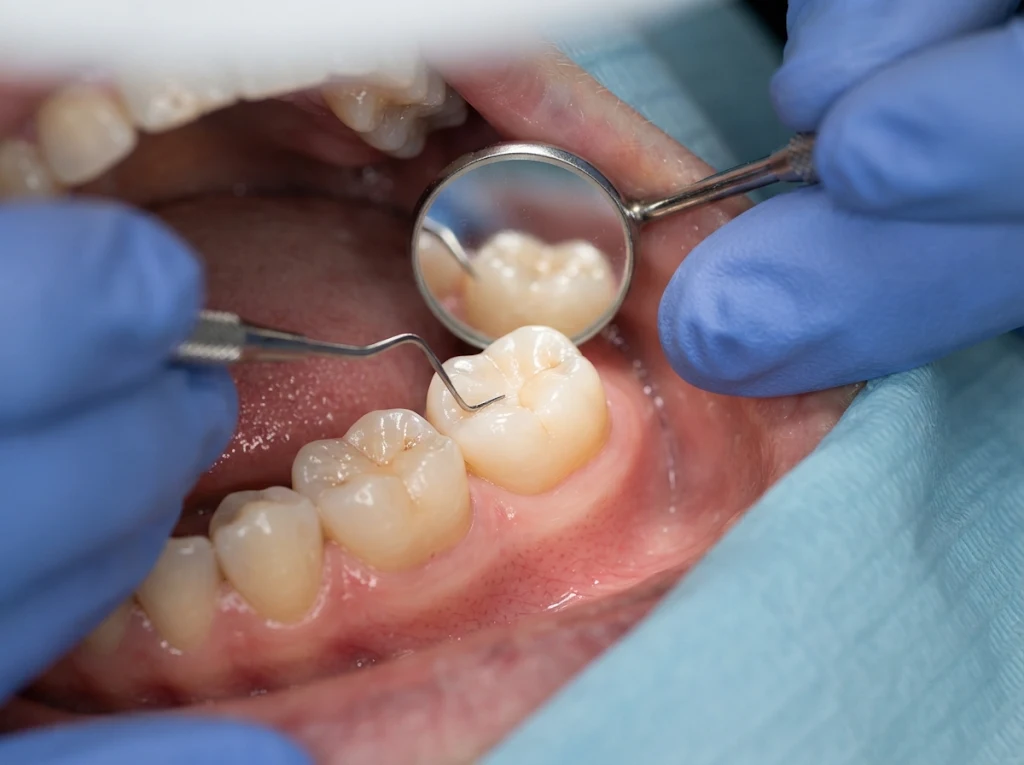


Your treatment starts with a detailed check of the sensitive or decayed tooth, gums and bite by our dentist. We confirm if pulp capping is the right option and explain the steps, cost and aftercare clearly.

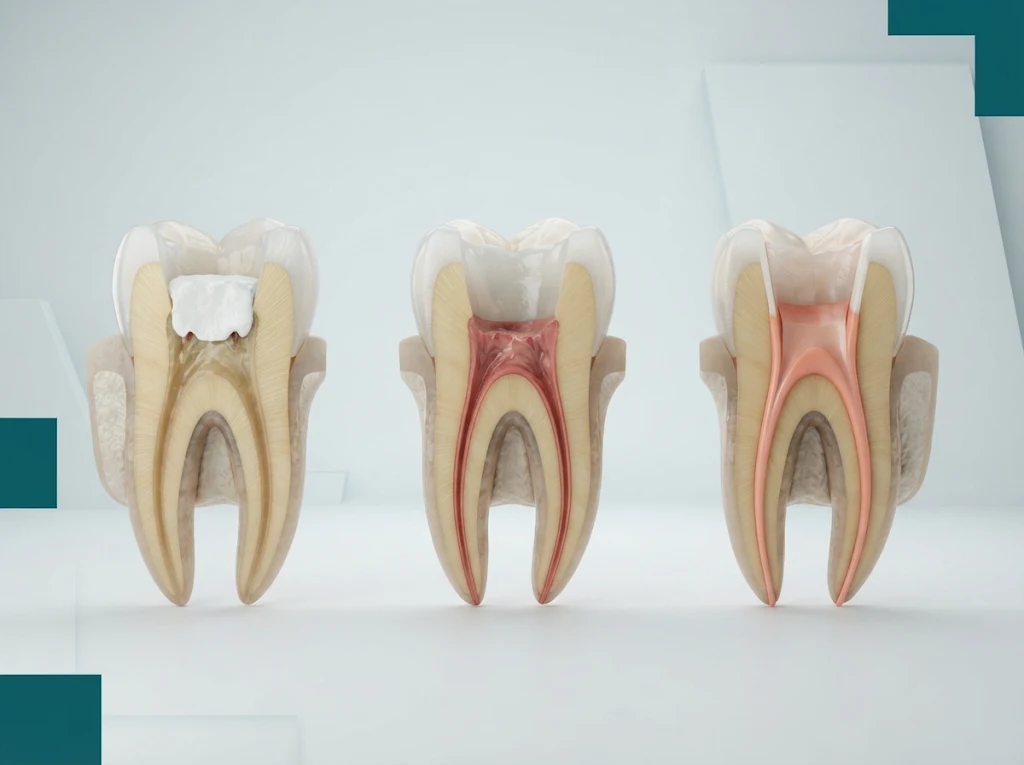
A young tooth with deep decay or a small injury has a healthy, healing-ready pulp. Pulp capping protects it with a gentle seal, so your child can avoid a root canal and keep their own tooth.
In this traditional method, a medicated liner is placed over the near-exposed pulp to encourage a natural protective layer. It is a proven, dependable option for deep cavities.
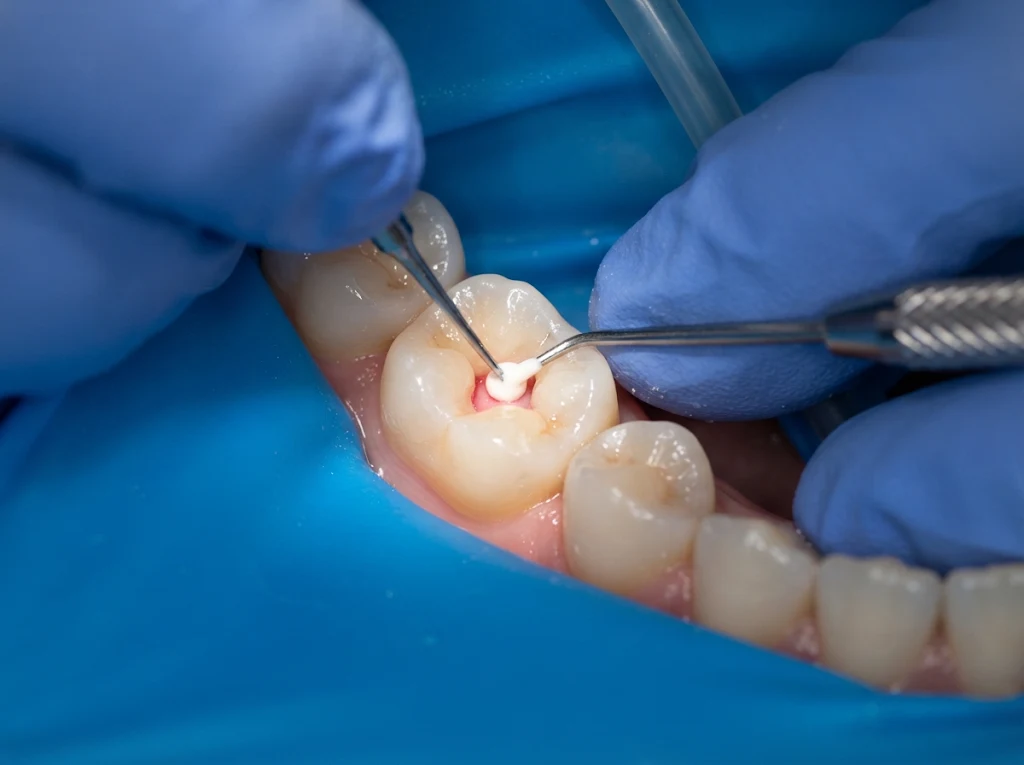
A strong, biocompatible material is placed over the pulp to form a tight, lasting seal. It supports faster healing and gives excellent long-term results.
Low-dose digital X-rays show how close the decay is to the nerve. Together with sensitivity tests, they help us decide between direct and indirect pulp capping.
Decayed tissue is gently removed under local anaesthesia, and the area is cleaned and disinfected. This protects the healthy pulp and prepares the tooth for the capping material.
Once the pulp is capped, the tooth is sealed with a strong filling or crown. This restores its shape, prevents bacteria from entering and lets you chew comfortably.
We check the tooth with regular visits and X-rays to make sure the pulp stays healthy and pain-free. If any problem appears, we deal with it early.
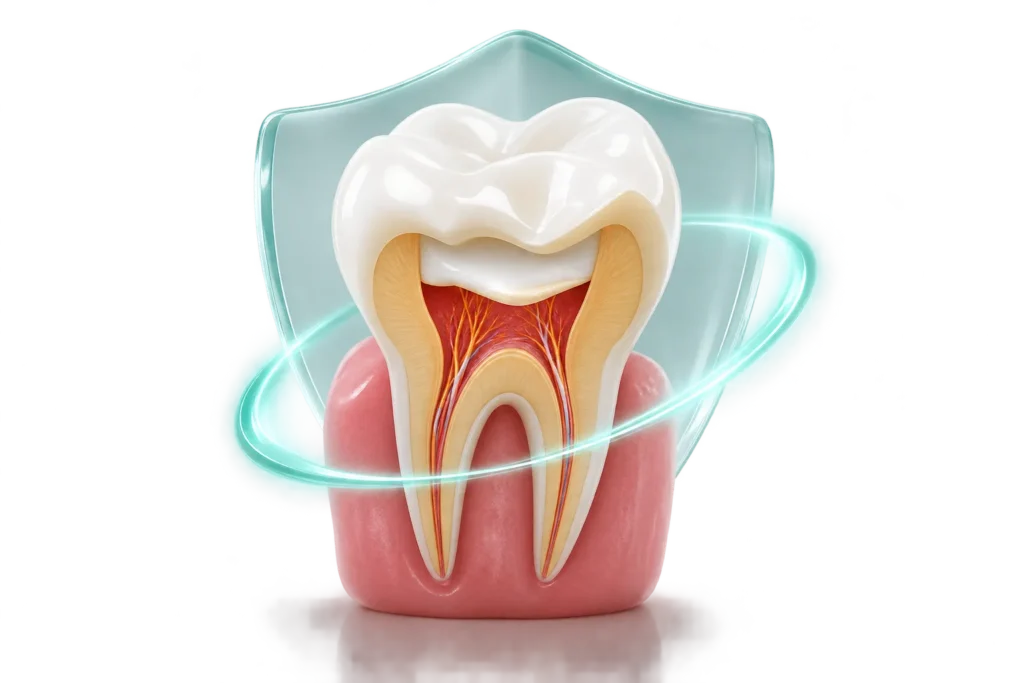
Skilled care for deep cavities and sensitive teeth.
Effective local anaesthesia keeps you comfortable throughout.
Gentle, patient approach that keeps kids calm and relaxed.

We protect your natural pulp to help you avoid a root canal.
Biocompatible MTA and bioceramic materials that seal the pulp securely.
Regular check-ups and X-rays to track healing and protect the tooth.


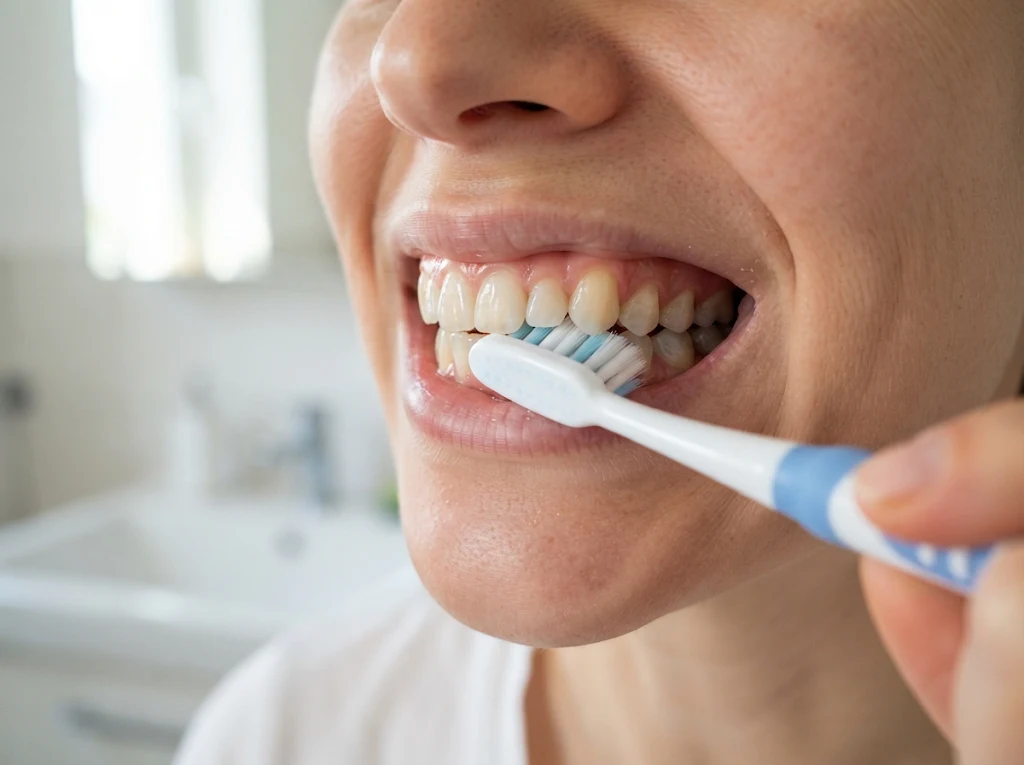
Wait until the numbness wears off before eating or drinking hot liquids, so you don’t bite your cheek or tongue. For the first day or two, avoid very hard, sticky or extremely hot and cold foods on the treated side. Keep brushing and flossing as usual, but be gentle around the tooth.


Mild sensitivity to hot, cold or biting pressure is common for a few days after pulp capping and usually settles on its own. Call us if you notice severe or throbbing pain, swelling, pain that wakes you at night, or if the filling feels high or comes loose.


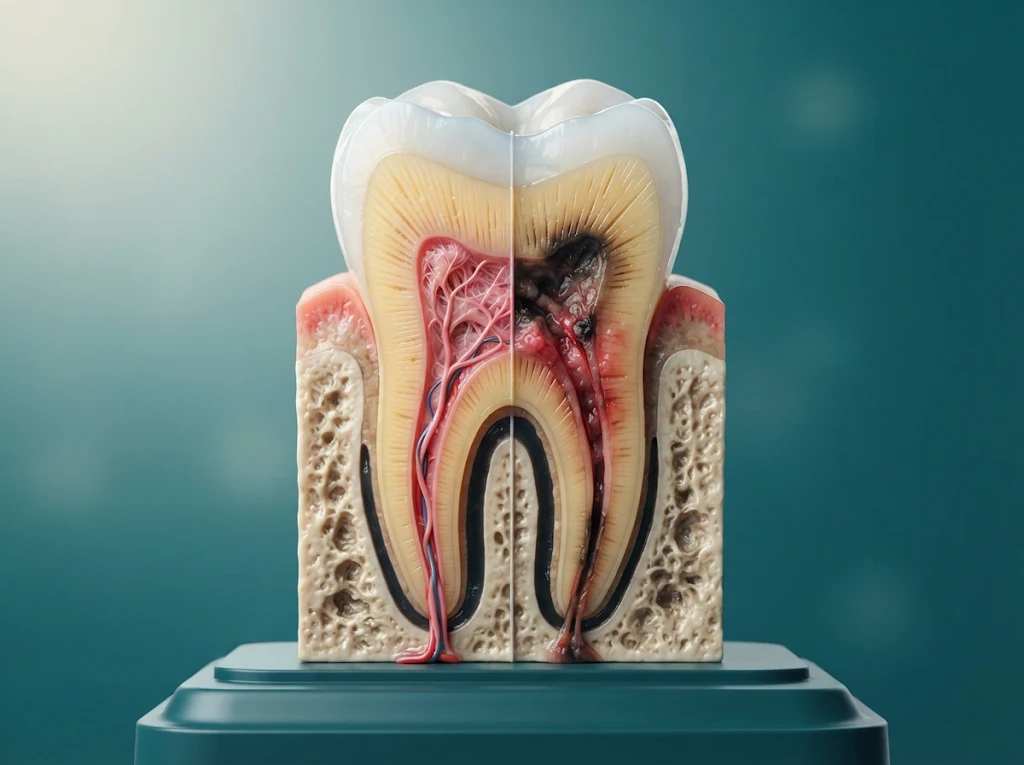
Pulp capping protects the living pulp (nerve tissue) of a tooth when decay or injury reaches very close to it or slightly exposes it. A protective material is placed over the pulp so it can heal, and the tooth is then filled. A root canal is needed when the pulp is already badly infected, and it removes the pulp completely. Pulp capping is the more conservative option and helps you avoid a root canal.
The cost depends on whether the capping is direct or indirect, the material used (calcium hydroxide, MTA or bioceramic) and the final restoration your tooth needs. After examining your tooth and X-rays, our dentist will give you a clear cost estimate at your consultation, before any treatment begins.
No. The tooth is numbed with local anaesthesia, so you stay comfortable during the treatment. Mild sensitivity to hot, cold or biting pressure is common for a few days afterwards and usually settles on its own.
Most cases are completed in a single visit of about 30 to 60 minutes. Very deep cavities may need a temporary filling first and a second visit for the final restoration. We follow up with check-ups and X-rays to make sure the tooth heals well.
Our dentist checks your tooth, gums and bite, and takes digital X-rays to see how close the decay is to the nerve. We then confirm whether pulp capping is the right option for you, and explain the steps, cost and aftercare clearly.

WhatsApp us